
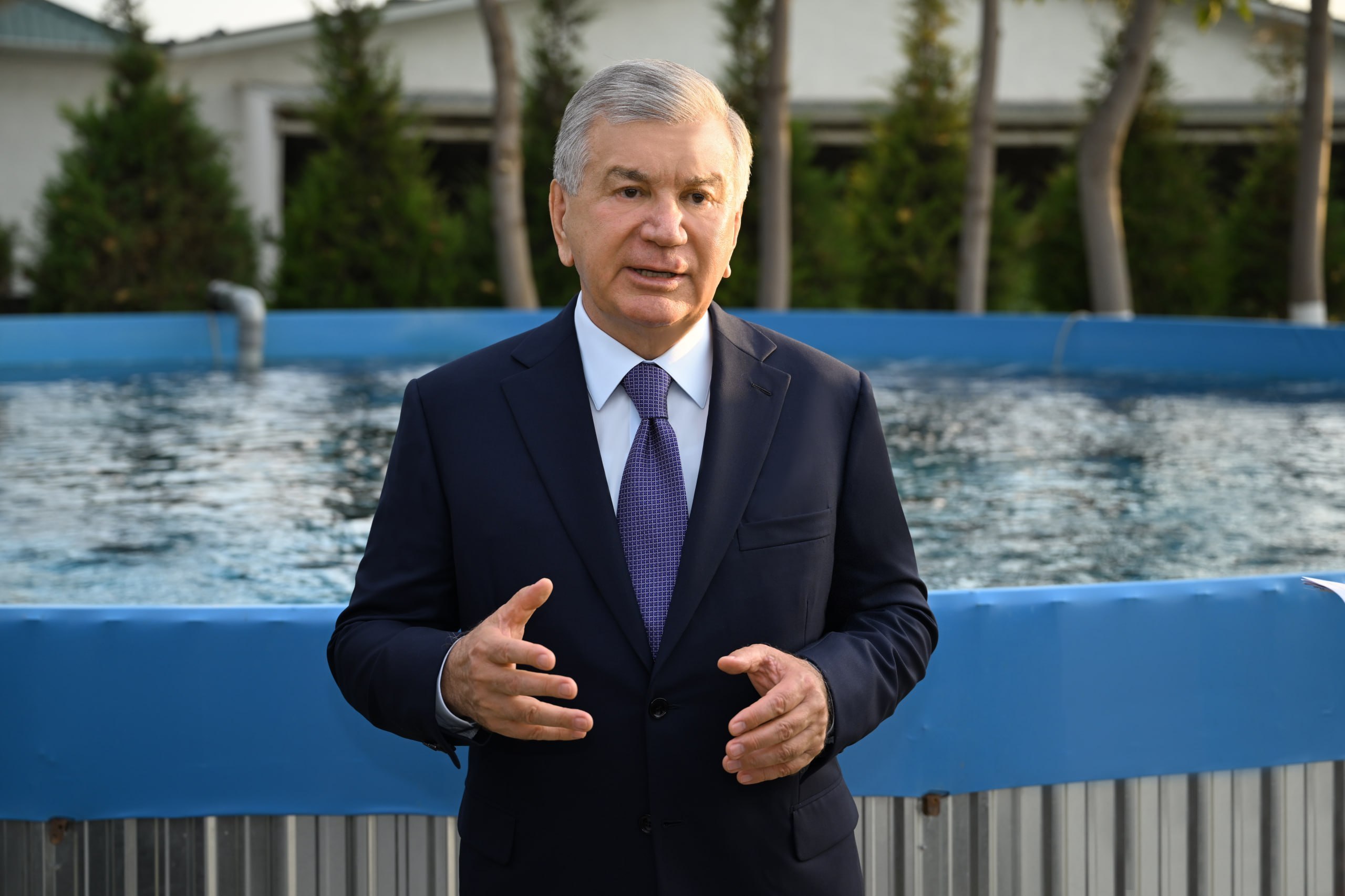
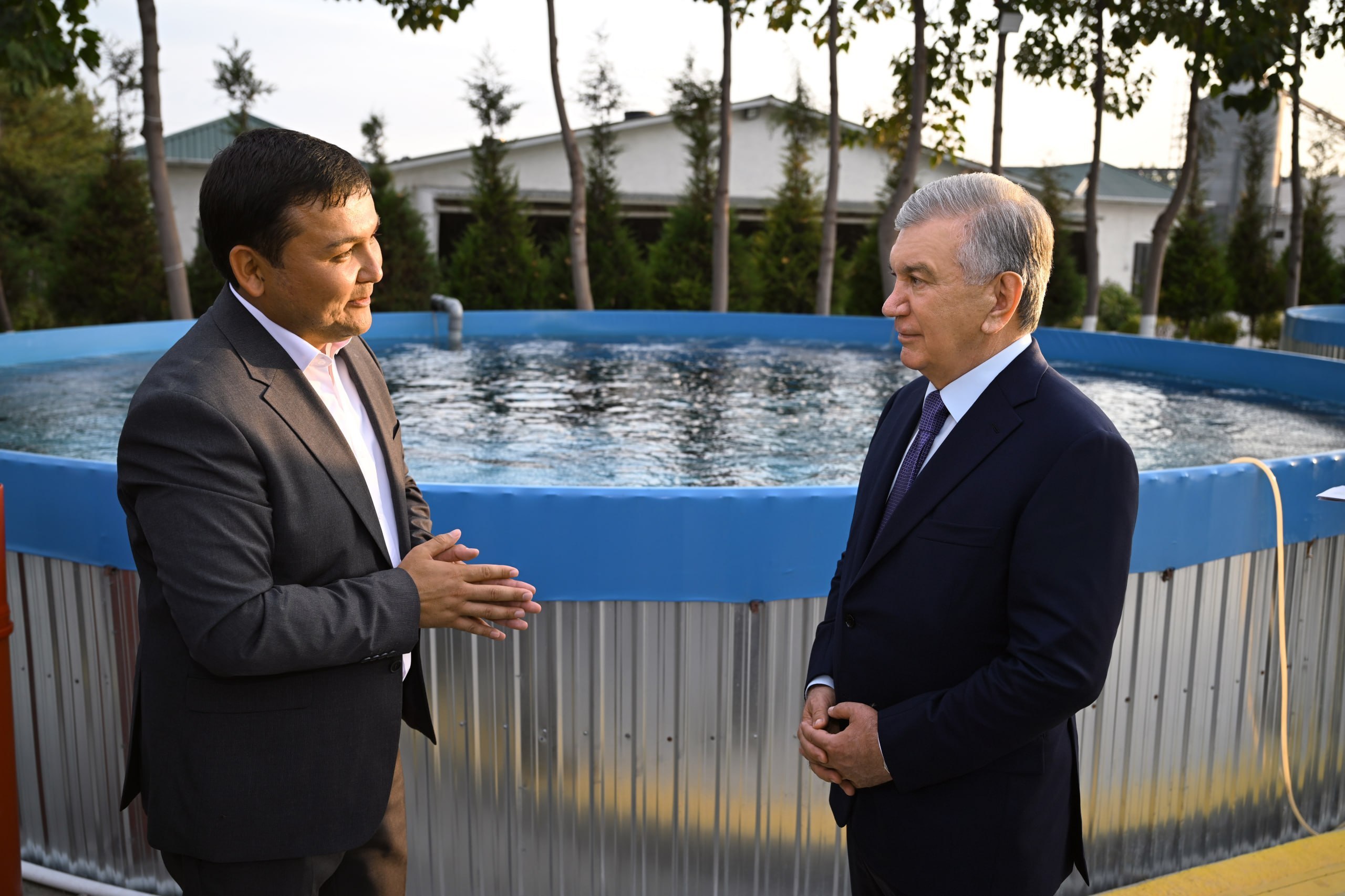
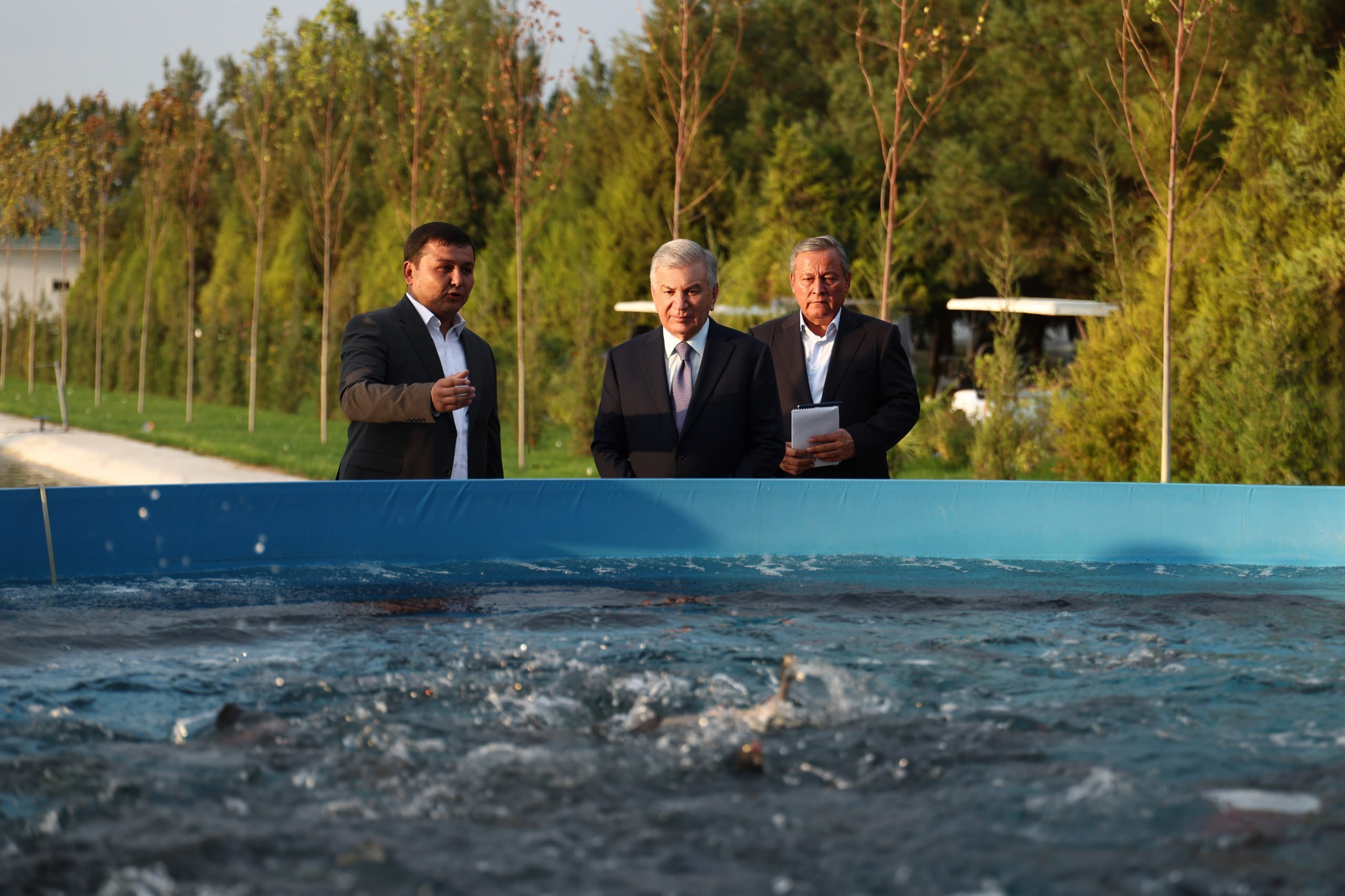
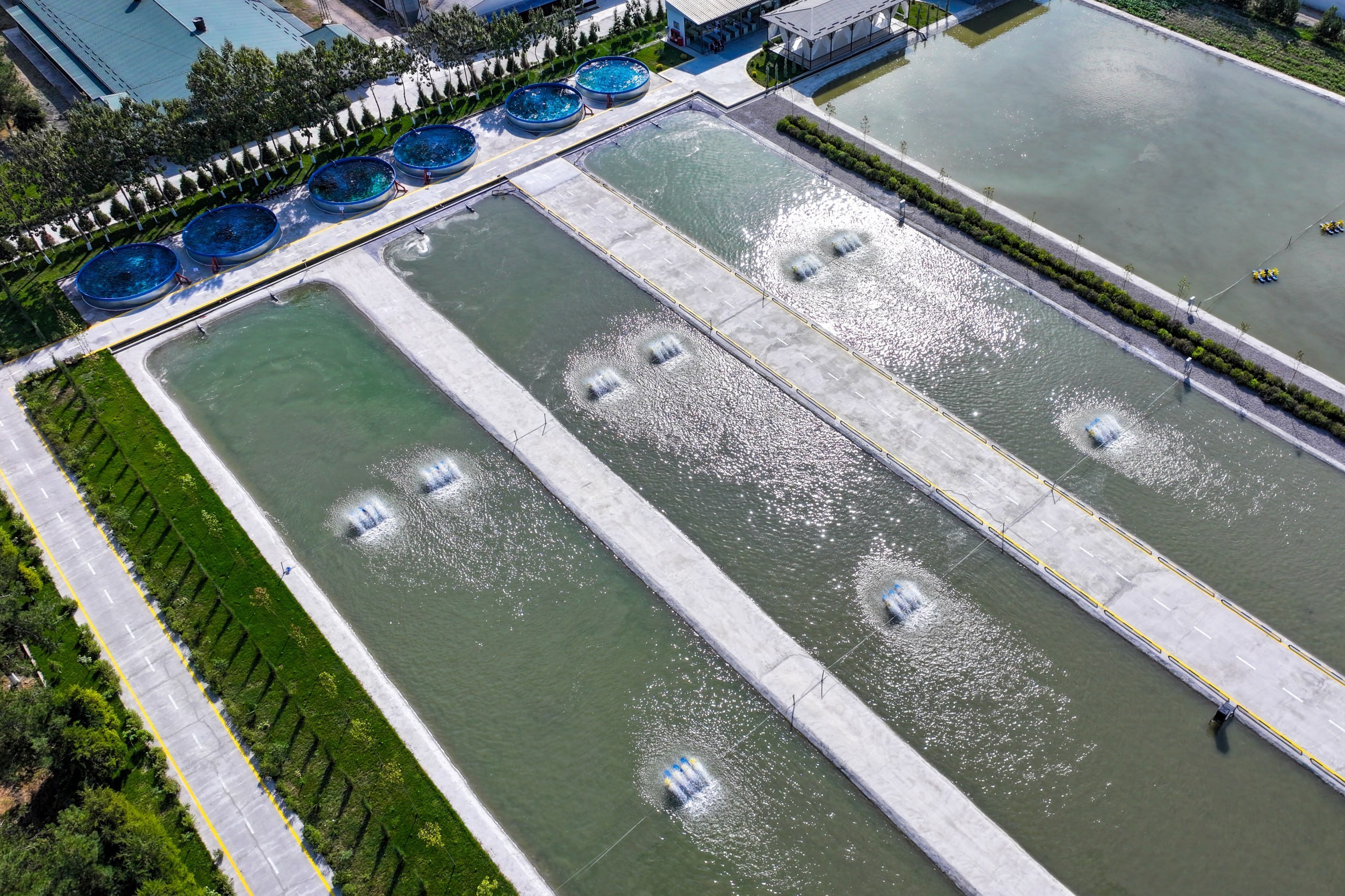
Uzbekistan pays particular attention to developing the fish farming industry and to widely introducing modern technologies in this sector. An important role in this process is assigned to the efficient use of land and water resources and to achieving high output on small areas through intensive methods.
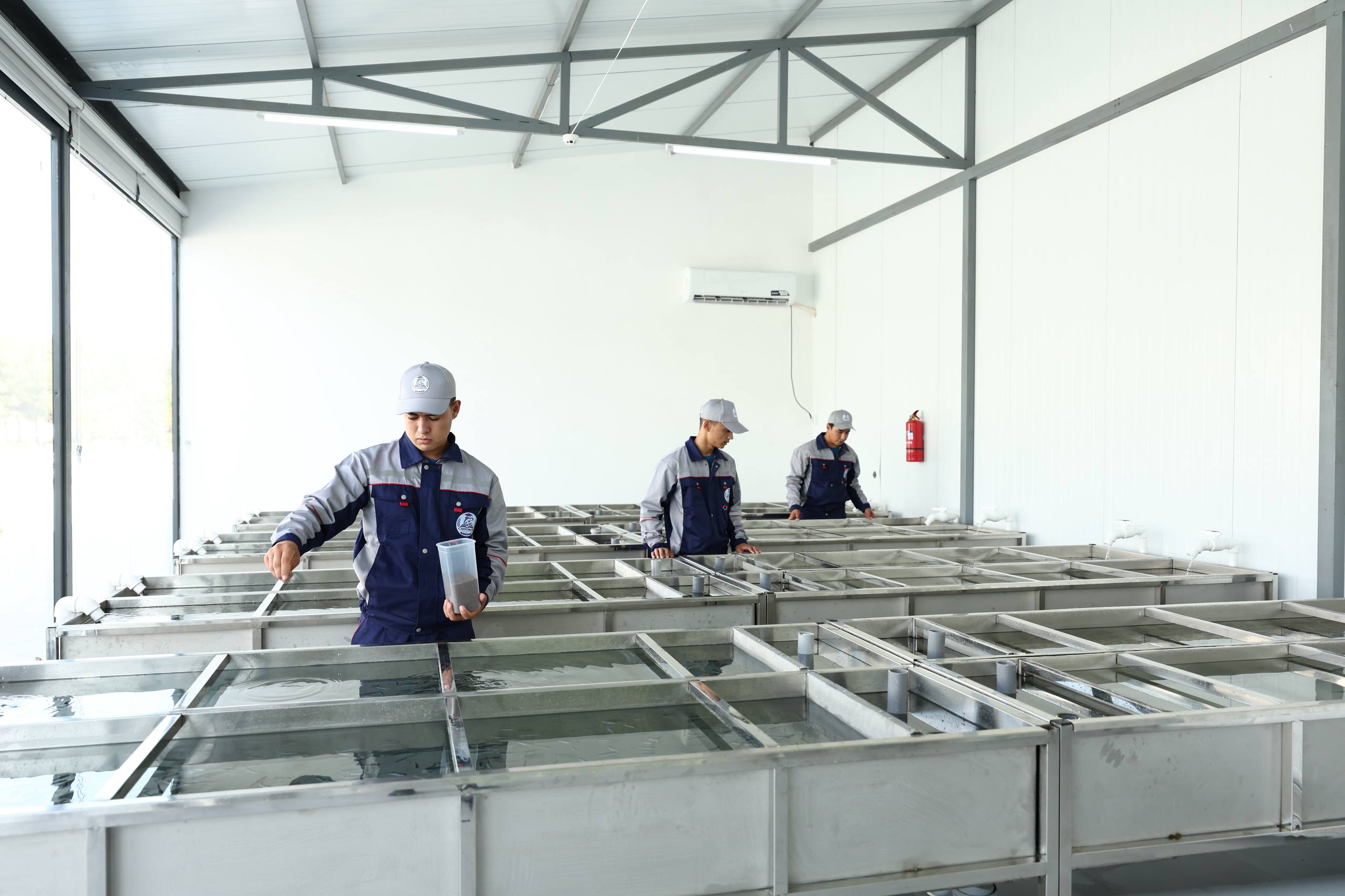
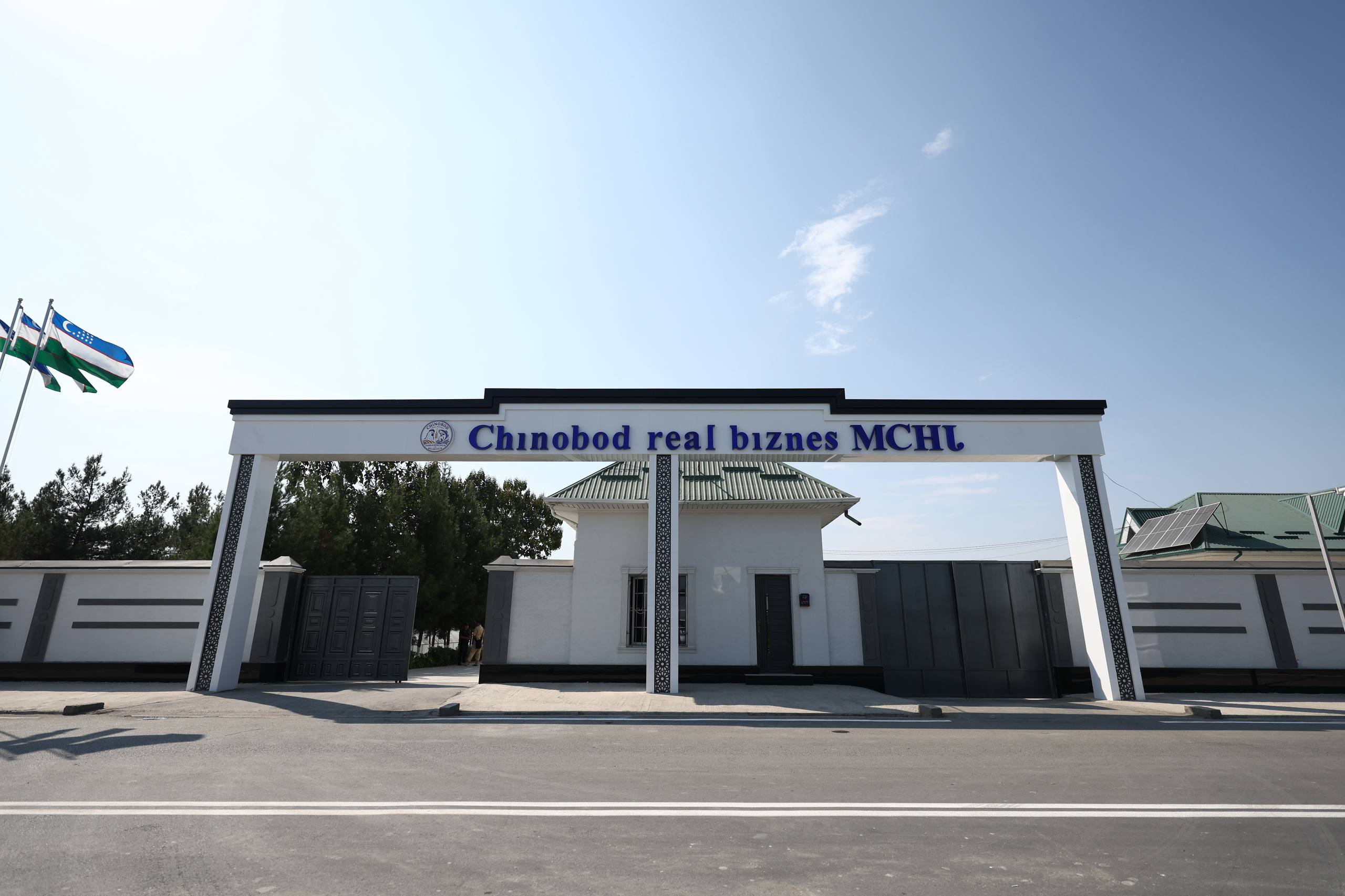
Chinobod Real Biznes has introduced a modern system. The project was implemented in accordance with the decree of the Head of State of July 2 this year, aimed at developing fish farming. The enterprise will help meet the demand of farms in Fergana Valley for trout fry.
The total cost of the project is 30 billion UZS. The enterprise has created 30 jobs.
The modern complex, covering two hectares, produces 200 tons of fish and raises 2.5 million fry annually. Its annual production volume is 50 billion UZS.
Thanks to intensive technologies, the two-hectare site can produce the same output as 100 hectares under traditional farming methods.
The complex also has a laboratory that can naturally purify up to 2 million liters of water. Chlorella, an alga that helps improve water quality, is cultivated here. This environmentally friendly system increases fish-farming efficiency by an additional 15-20 percent.
The enterprise’s electricity needs are fully met by solar panels. Water from the fish ponds is also put to productive use: rich in phosphorus, ammonia, and calcium, it irrigates crops. Thus, the complex has established a closed-loop system for reusing resources.
The enterprise annually exports 2 million trout fry to Kyrgyzstan, Tajikistan, and Afghanistan. Annual exports amount to $2 million, while budget revenues total 5 billion UZS.
The project also supports local employment. Twenty households in Sarvul mahalla of Baliqchi district farm trout in cooperation with the enterprise and earn additional income.
The complex has also integrated education and production. In cooperation with the Andijan Institute of Agriculture and Agrotechnologies, a Fish and Poultry Farming Practice Center has been established. Students reinforce their theoretical knowledge directly through the production process and acquire practical skills.
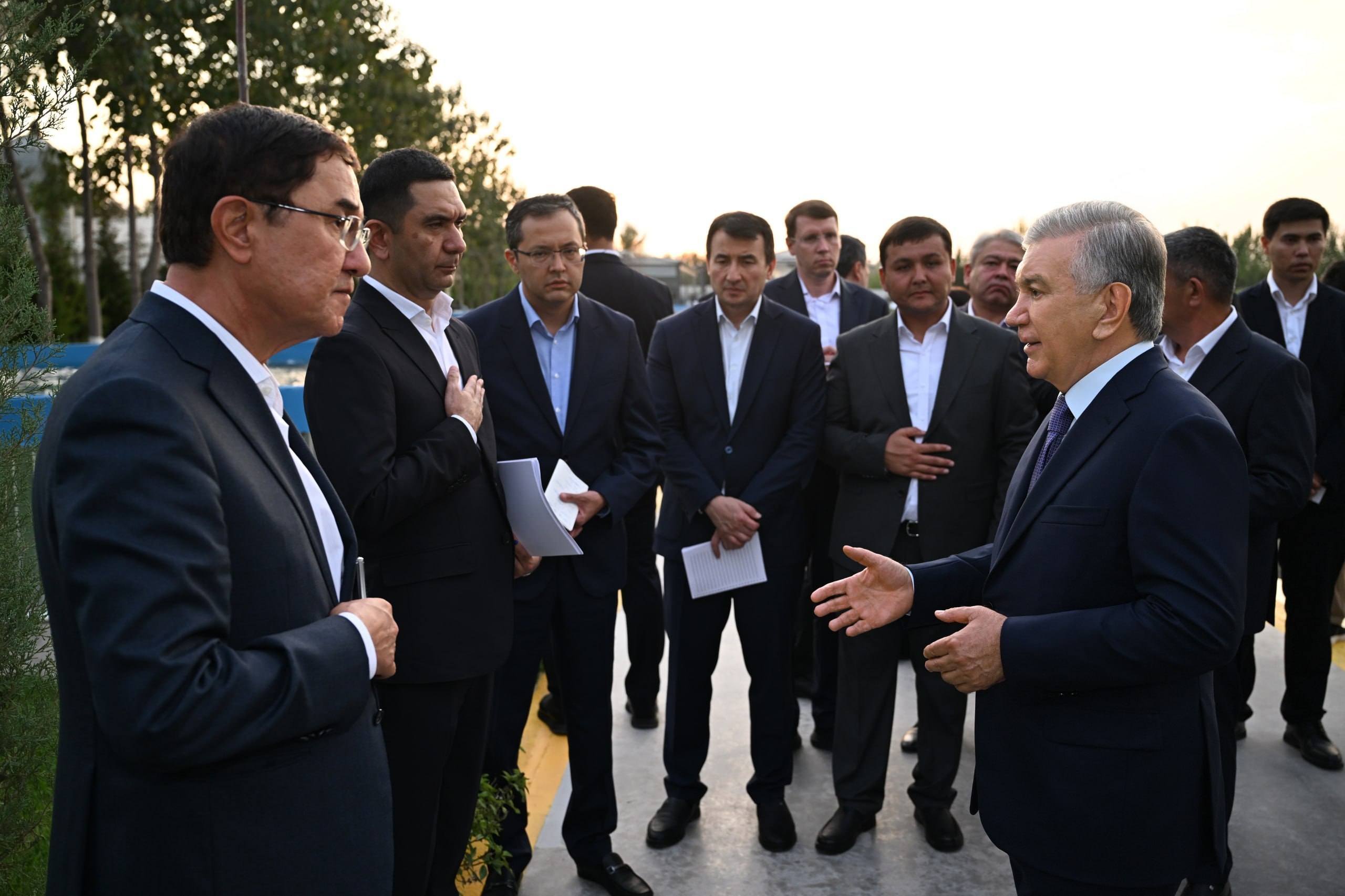
The Head of State noted that such highly efficient projects are important for ensuring employment and for strengthening food security.
Responsible officials were instructed to widely expand this practice and increase the number of new projects aimed at multiplying production volumes through intensive methods on small areas.