
When the
ambient temperature rises, the body triggers natural thermoregulation
mechanisms, the main of which is active sweating, which releases excess heat.
However, this way a person loses a significant amount of minerals, and a
decrease in blood plasma volume is accompanied by a change in the
sodium-potassium balance. All this creates an additional burden on the
cardiovascular system and kidneys, which have to work much harder to maintain
the consistency of the internal environment of the body.
These
changes are especially noticeable on the hottest summer days, when the air
temperature in our country reaches and sometimes exceeds 40 °C. Dizziness,
general weakness, and a feeling of fatigue appear, concentration decreases, and
performance decreases noticeably. Practical medical observations confirm that
fluid loss, which is only about 2 percent of body weight, already has a
significant impact on both physical abilities and cognitive functions of a
person. If dehydration reaches 4-5 percent, the risk of developing heat stroke
increases many times, and the consequences of such a condition pose a serious
danger to life. That is why the main principles of nutrition in hot weather are
maintaining optimal hydration of the body and constant monitoring of the
water-electrolyte balance.
For the
normal functioning of the body, it is important to ensure the correct ratio of
intra- and extracellular fluid. This can be achieved with sufficient intake of
basic electrolytes - sodium, potassium and magnesium, which are involved in
maintaining water balance, muscle tissue, transmission of nerve impulses and
ensuring a stable heart rate.
Thus, water
occupies a significant place in the summer diet. It provides complete hydration
of the body, participates in thermoregulation processes and helps to naturally
cool the body in hot conditions.
An adult is
recommended to consume about 2-3 liters of liquid per day, but this need may
increase with high air temperature, intense physical activity or prolonged
exposure to the sun. The most preferred sources of fluids in summer are clean
drinking and mineral water.
Sodium, one
of the body's main electrolytes, plays an equally important role. Its
recommended daily intake averages 2-3 grams. Sodium is necessary for the normal
distribution of fluid between cells and tissues, as well as for the proper
functioning of the nervous and muscular systems. Sources of sodium are mineral
water, fresh vegetables and fermented dairy products, in particular kefir,
which simultaneously helps maintain normal intestinal microflora.
We should
not forget about potassium, which plays a key role in the functioning of muscle
tissue and the cardiovascular system. The daily requirement for this trace
element is about 1.5-2 grams. It is involved in the transmission of nerve
impulses, regulates muscle contraction, including cardiac, and also helps
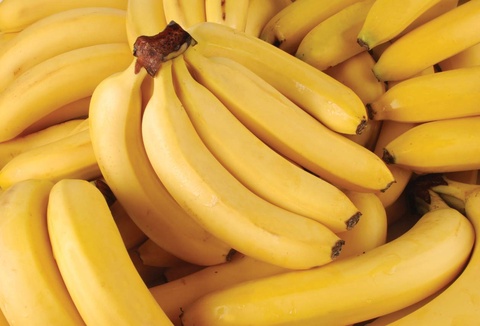
maintain a stable heart rhythm. Bananas, potatoes, and oranges are especially
rich in potassium.
Another
important element is magnesium. It participates in hundreds of biochemical
reactions, ensures normal cellular activity, supports the functioning of the
nervous system, promotes the proper functioning of muscles and helps the body
to tolerate physical and thermal stress more easily. The most affordable
sources of magnesium are nuts and fresh vegetables.
The diet in
the summer requires special attention. Energy levels, well-being, and the
body's ability to tolerate heat more easily depend on which carbohydrates
predominate in the daily menu. Experts recommend limiting the consumption of
sugary carbonated drinks, confectionery and other products with a high content
of fast-digesting carbohydrates, while increasing the proportion of complex
carbohydrates, dietary fiber and easily digestible protein sources.
The
physiological significance of such recommendations is explained by the
peculiarities of carbohydrate metabolism in the summer. For example, after
consuming large amounts of sugar, blood glucose levels rise rapidly, which
causes increased insulin secretion. This is followed by a reactive decrease in
glucose levels, accompanied by a feeling of weakness, drowsiness and increased
appetite.
However, in
the heat, the autonomic nervous system is already under increased stress due to
the need to maintain a constant body temperature. Therefore, doctors have
developed a set of relevant recommendations. In the summer heat, preference
should be given to easily digestible dishes. At the same time, it is important
to limit the consumption of fried, fatty and difficult-to-digest foods, as they
require significant energy expenditure and increase the heat load on the body.
In hot
weather, fresh vegetables, fruits, and foods rich in vitamins and trace
elements should be a priority. They not only help to replenish fluid loss, but
also provide the body with the substances necessary to protect cells from the
adverse effects of high temperature. First of all, we are talking about
potassium, magnesium, vitamin C, carotenoids and polyphenols, natural compounds
with pronounced antioxidant properties.
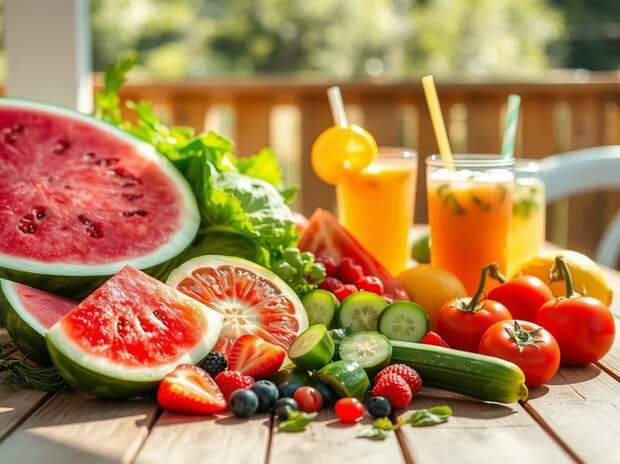
Tomatoes,
cucumbers, greens, watermelons, and melons are valuable for their high water
content, as well as being sources of potassium, vitamins, and other
biologically active substances. No less useful are traditional fermented milk
drinks, which, due to the content of probiotic microorganisms, contribute to
the maintenance of intestinal microflora and strengthen the natural protective
barrier of the intestine. At the same time, the results of studies assessing
the nutritional structure of the population show that the intake of potassium
and magnesium in many cases remains below the recommended standards. In
conditions of high temperatures, such a deficiency can increase the likelihood
of muscle cramps, general weakness and cardiac arrhythmias, therefore, the full
intake of these trace elements is of particular importance.
In the
heat, proper hygiene of products and the organization of their storage will
protect against food poisoning and intestinal infections. Hygienic safety in
this case is understood as a whole range of measures - from the correct choice
of raw materials and compliance with storage conditions to full-fledged heat
treatment and prevention of re-contamination of already prepared dishes.
The reason
for the high risk of food poisoning in hot weather is quite obvious: at
temperatures in the range of 20-40 ° C, optimal conditions are created for the
rapid reproduction of most bacteria. In such conditions, ready-made dishes that
do not undergo repeated heat treatment, such as salads, dairy desserts, meat
dishes and other perishable products, become especially vulnerable.
A typical
example is salads with mayonnaise dressing, left at room temperature for
several hours. In such cases, the risk of acute gastroenteritis increases
significantly. That is why sanitary standards strictly regulate the storage
time of perishable products outside the refrigerator: under normal conditions,
it should not exceed 2 hours, and in extreme heat conditions it is reduced to
an hour. At the same time, storage in the refrigerator at a temperature of 0-4
° C significantly slows down the reproduction of microorganisms and
significantly reduces the risk of food poisoning.
Proper diet
planning is also important, based on an understanding of the differences
between light and heavy food. This distinction means not so much caloric
content as a set of characteristics: glycemic load, fat content, proportion of
water and electrolytes, as well as the rate of absorption of food by the body.
From a physiological point of view, it is important that foods rich in water
and dietary fiber form additional volume in the stomach, slow down glucose
absorption and contribute to a milder thirst quenching.
If we
summarize the presented approaches, it becomes obvious: rational nutrition in
hot weather is an interconnected system that takes into account both the
physiological needs of the body and the real environmental conditions. It is a
comprehensive view that makes it possible to reduce the risks associated with
overheating and dehydration, and increase the body's overall resistance to
summer stress.
A nutrition
model adapted to the heat period should be consistently implemented as a
practical component of clinical prevention and a healthy lifestyle.
Abdurakhman
Ismailov.
Chief
Specialist of the Sanitary and Hygienic Department
Committee
of Sanitary and Epidemiological Welfare
and public
health
Of the
Republic of Uzbekistan.