
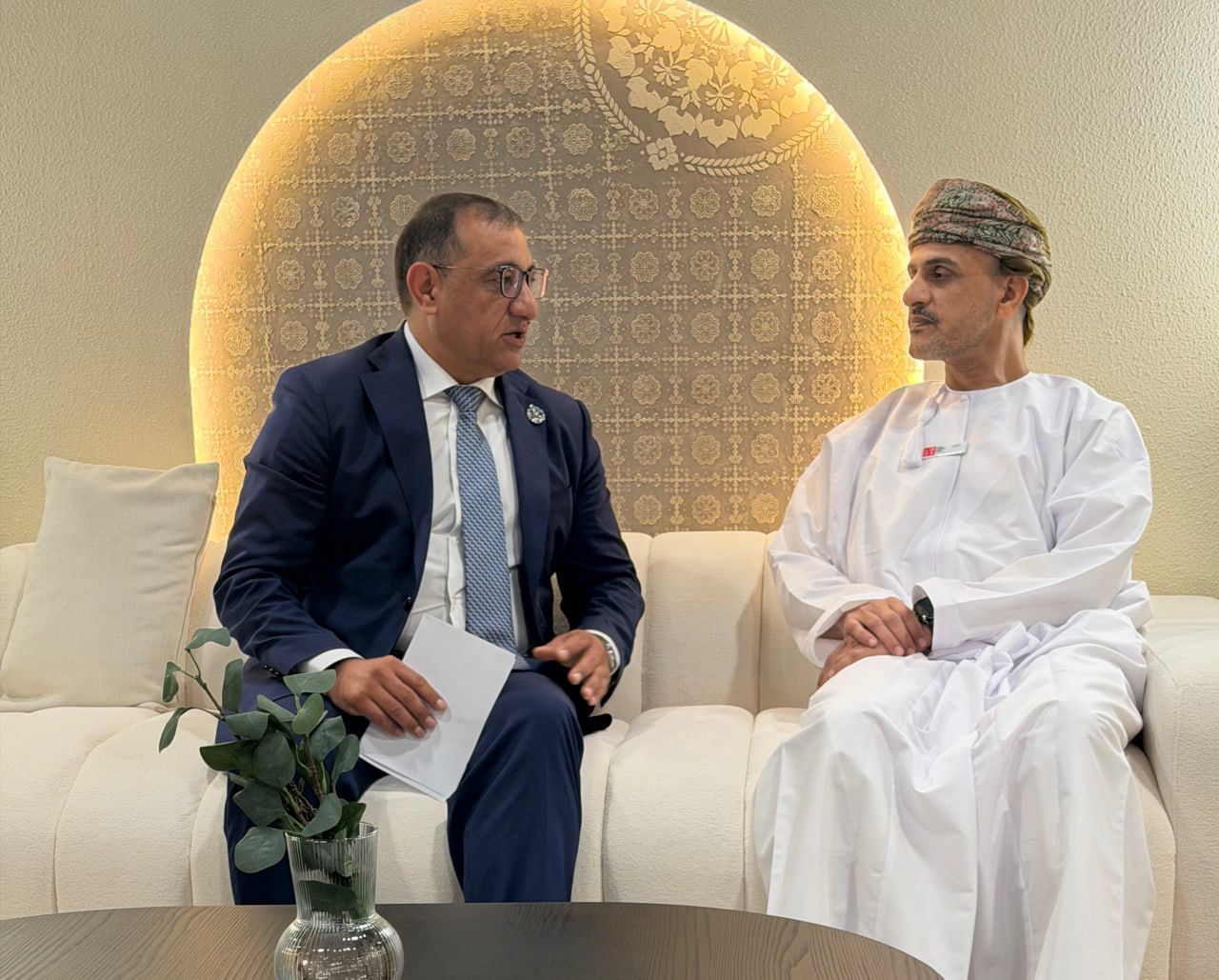
As part of
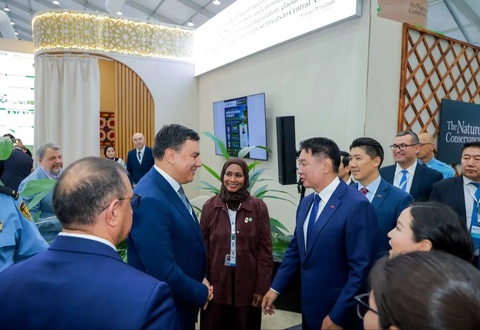
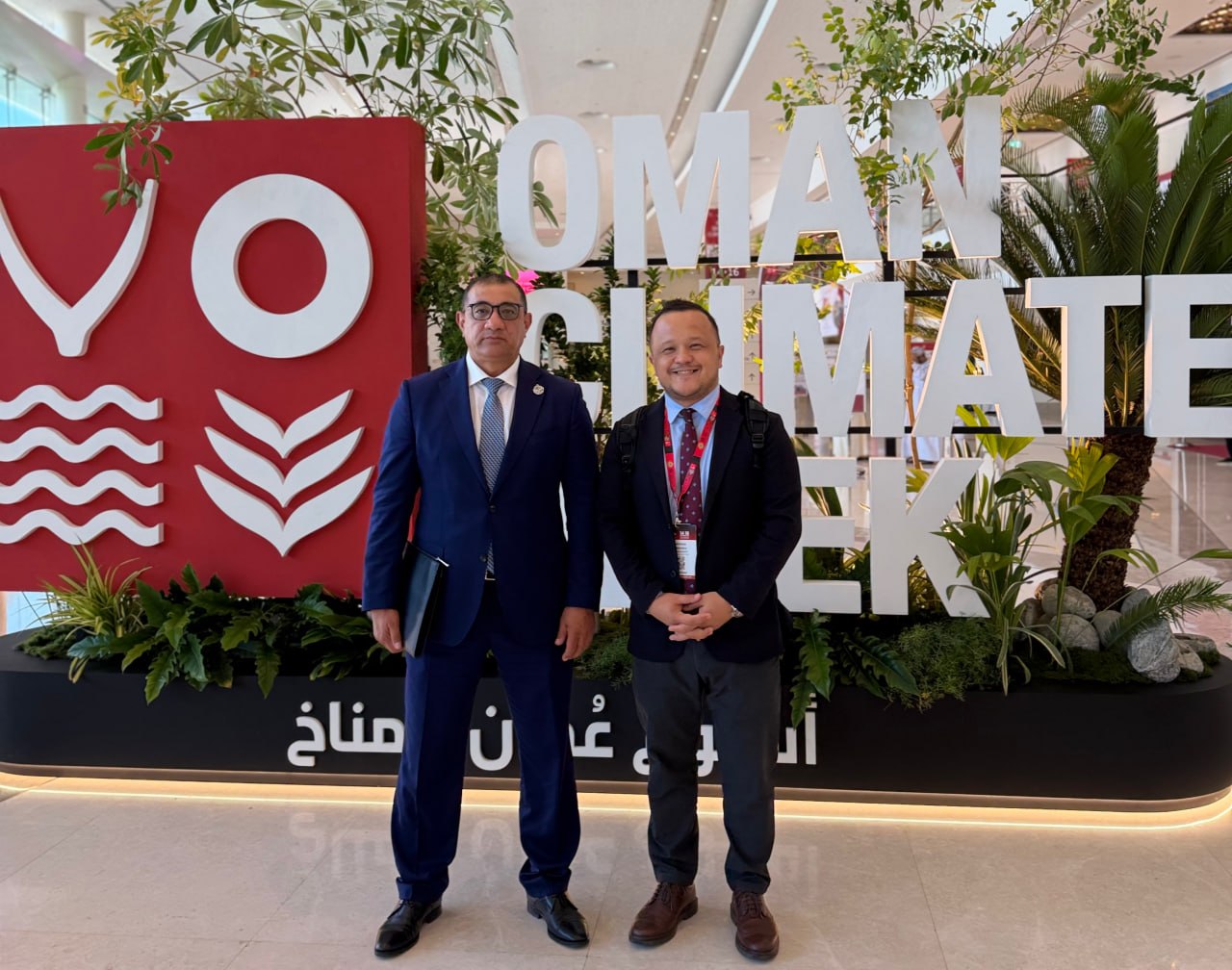
the event, the delegation held a meeting with the Chairman of the Environmental
Protection Authority of Oman, Dr. Abdullah bin Ali Al-Amri. The Director of the
“Climate Residency” program at Green University, Shakhboz Akhmedov, also took
part in it.
The Uzbek
side conveyed the sincere wishes of the President’s Advisor on Environmental
Issues — Chairman of the National Committee for Environmental
Protection and Climate Change, Aziz Abdukhakimov, and expressed gratitude for
the high level of organization of the climate week in Oman.
During the
meeting, it was noted that both countries face a number of similar environmental
challenges, including aridity of the territories, water resource scarcity,
extremely high temperatures, and the need to decarbonize the economy. It was
emphasized that the “Oman 2040” concept and the “Uzbekistan 2030” strategy are
aimed at finding an answer to the same question: how to ensure economic growth
while preserving natural resources.
The Uzbek
side provided information on the reforms implemented in recent years, including
strengthening the management system in the field of environmental protection,
submitting the third nationally determined contribution (NDC) under the Paris
Agreement, committing to reduce the carbon intensity of GDP by 50 percent by
2035 compared to the 2010 level and to achieve carbon neutrality by 2050,
joining the Global Methane Pledge, and establishing a national carbon market
system and mechanisms for implementing Article 6 of the Paris Agreement in
2025.
It was also
noted that the VIII Assembly of the Global Environment Facility (GEF) was
successfully held in Samarkand in June 2016, and the Tashkent International
Financial Centre was established.
The Uzbek
side expressed particular interest in Oman’s experience in the field of water
desalination, groundwater recharge, and integrated water resource management,
in particular in the practice of using groundwater for irrigation in the
Dakhiliyah Governorate.
The parties
discussed four priority areas of cooperation:
Water
technologies — establishing a dialogue between experts from Uzbekistan and Oman
on issues related to water desalination, the use of saline water, and the
treatment and reuse of wastewater;
Salt‑tolerant agriculture and ecosystem restoration — involving Oman in the
activities of the Central Asian Center for Salt‑Tolerant Agriculture and Climate Resilience, which is planned to be
established in Uzbekistan;
Youth
climate leadership — developing cooperation between Oman’s youth climate
platforms and the “Climate Residency” program at Green University, conducting
joint research, and exchanging students.
Fighting
desertification — using Oman’s experience in establishing a specialized early
warning center in Uzbekistan.
In
addition, Oman was invited to participate in the “Eco Expo Central Asia 2027”
exhibition, which will be held on June 15–17, 2027, in Tashkent. The exhibition
will cover such areas as green financing, ecotourism, clean technologies,
environmental education, afforestation, green transport, and renewable energy.
During the
meeting, it was noted that the visit of the President of the Republic of
Uzbekistan to Oman would be an important stage in the development of bilateral
relations, and the signing of a memorandum on cooperation in the field of
environmental protection would make it possible to take Uzbek‑Omani cooperation to the level of practical implementation of joint
projects.