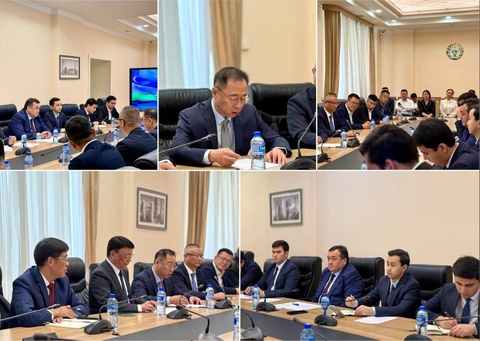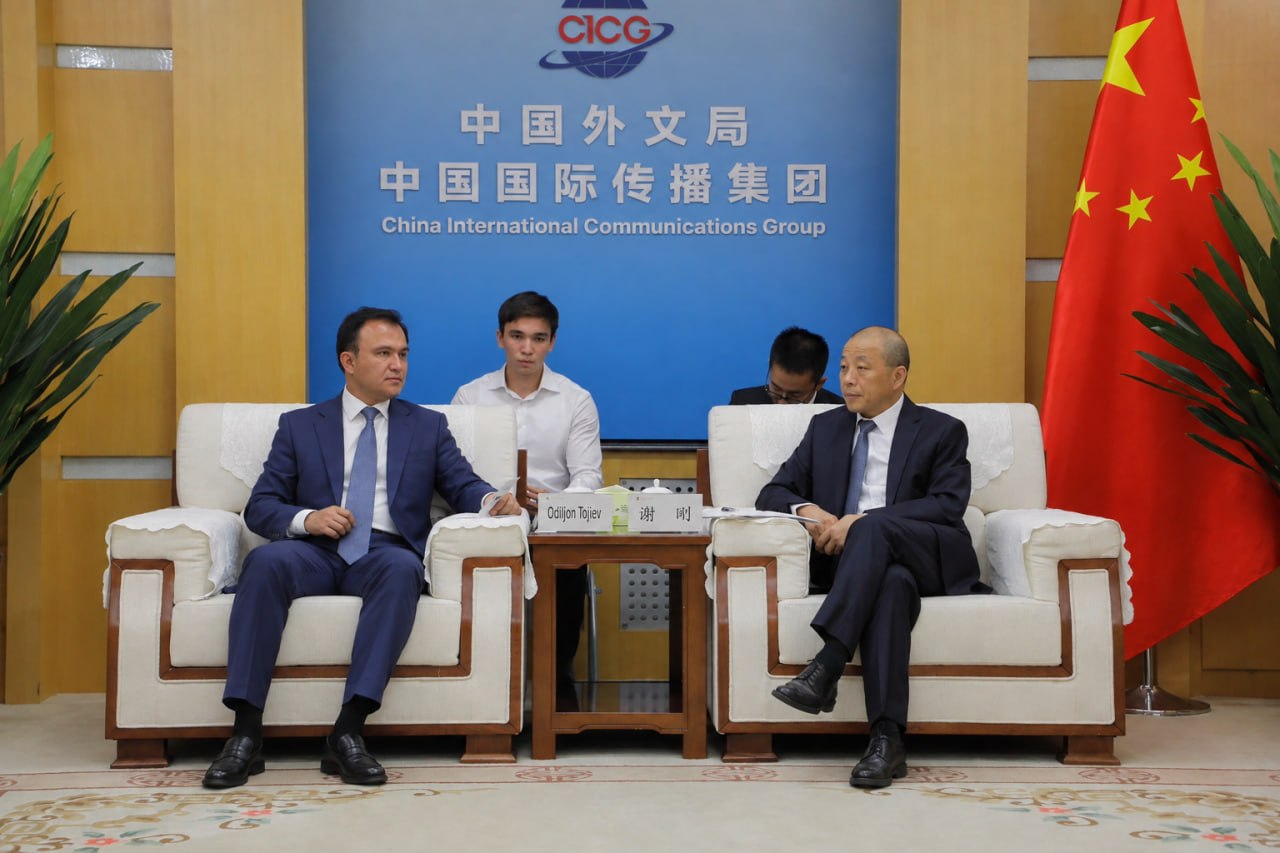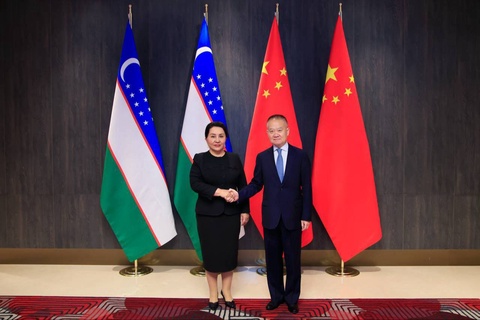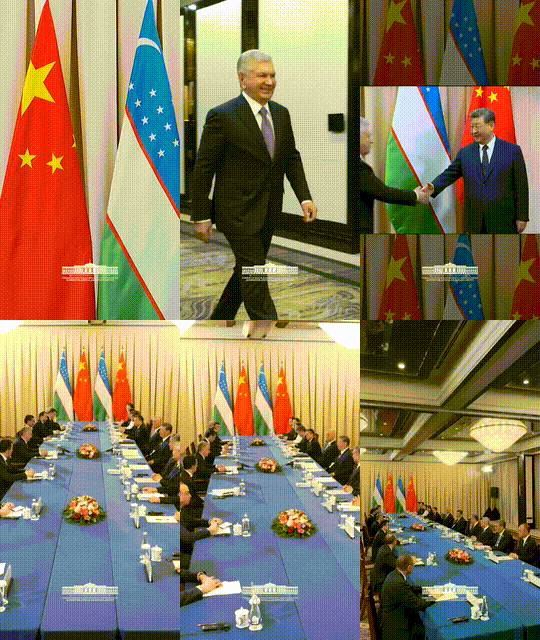

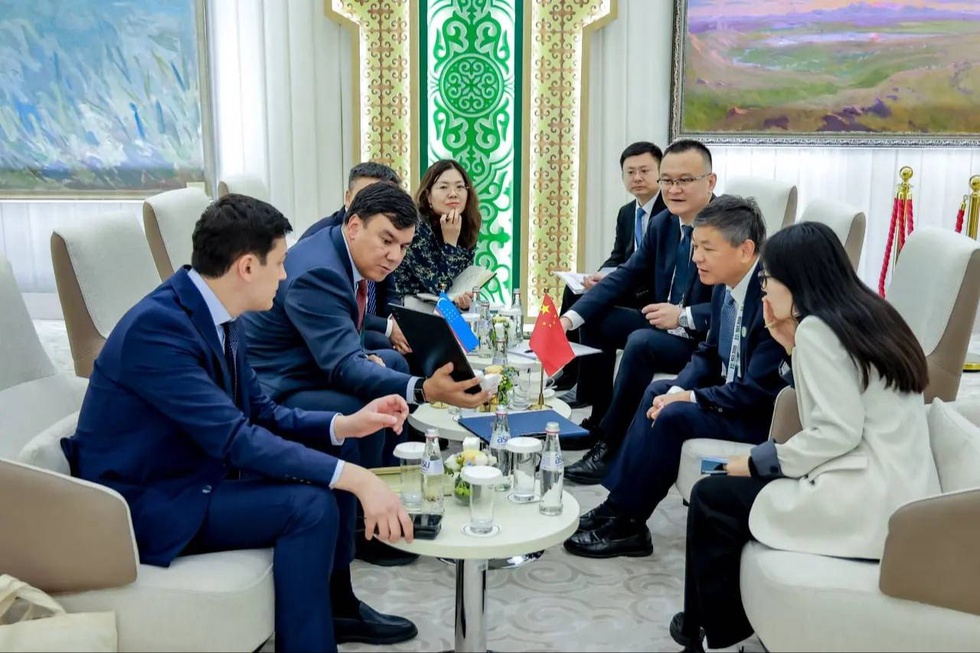
During the
talks, it was emphasized that the partnership between Uzbekistan and China in
the environmental field is steadily developing, becoming more practical.
Special attention was paid to the implementation of joint initiatives aimed at
addressing current environmental challenges, introducing modern technologies
and strengthening scientific cooperation.
Appreciation
was expressed to the Chinese side for its assistance in developing the
activities of the Central Asian Regional Research Center for Combating
Desertification and Developing the Desert Economy at Green University,
established with the participation of the Chinese Academy of Sciences. It was
noted that this center is becoming an important platform for scientific
research, training and development of innovative solutions in the field of
combating land degradation.
Huang
Rongqiu stressed that the discussions initiated between the parties two years
ago had already yielded concrete practical results. In particular, Chinese
investors are currently building 11 incinerators in Uzbekistan, reflecting the
high level of trust and effectiveness of bilateral investment cooperation. The
Chinese side also highly appreciated Uzbekistan's support in the prompt
implementation of environmental investment projects.
In order to
further expand cooperation, the Uzbek side proposed five key areas of
cooperation: studying Chinese experience in studying climate change using
satellite systems; familiarization with the activities of the Center of the
World Meteorological Station of China, including monitoring dust storms;
studying the practice of the National Monitoring Center under the Ministry of
Environment of the People's Republic of China; holding a Chinese-Uzbek
International Forum in the field of ecology; as well as the creation of a joint
laboratory on air quality.
The Chinese
side supported the proposed initiatives and expressed its readiness to move to
the practical implementation of the planned areas. In particular, the
possibilities of creating a joint laboratory for analytical monitoring of air
and water quality, developing scientific research, and strengthening the
capacity of national monitoring systems, including with the support of the
World Meteorological Organization, were discussed.
The parties
paid special attention to the prospects of cooperation in the field of desert
economics. The possibilities of using the specialized scientific research
institute in Tashkent as a regional platform for the development of this area,
as well as expanding cooperation between Green University and leading Chinese
educational and scientific institutions, were considered.
Following
the meeting, an agreement was reached on attracting Chinese best practices in
strengthening early warning systems for dust and sand storms, followed by the
adaptation of these mechanisms in Uzbekistan. In addition, the Chinese side
expressed its readiness to send scientists, researchers and specialists to
Uzbekistan to improve the skills of national personnel, as well as to receive
Uzbek delegations to exchange knowledge, experience and best environmental
practices.