
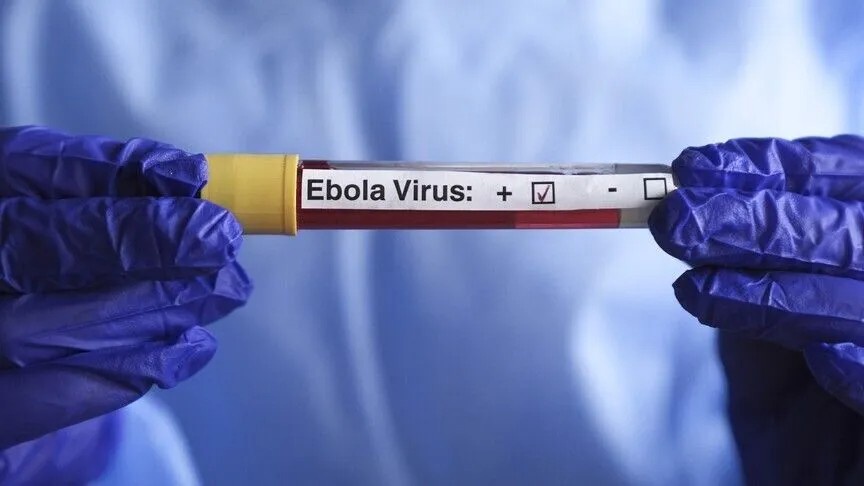
This is reported by Kazinform agency with reference to Anadolu.
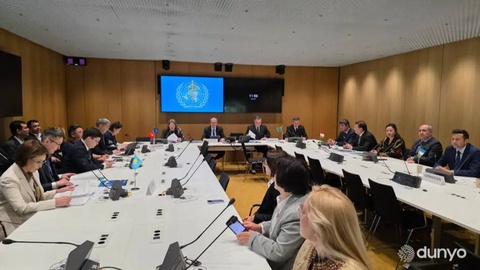
According to WHO representative Meg Doherty at a press conference in Geneva, permission to conduct the second phase of research was received last week. The tests are scheduled to begin on November 26 or 27 in the city of Bunia.
One of the drugs, ChAdOx1, was developed by the University of Oxford in collaboration with the Indian Serum Institute of India. The second vaccine was created by the American company Moderna.
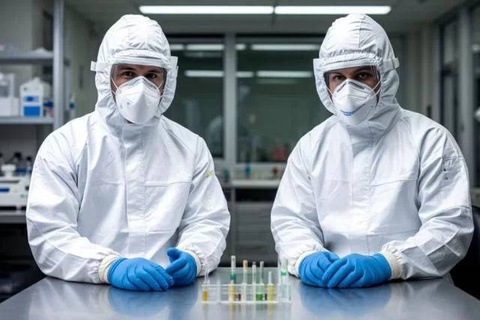
At the new stage, scientists will test the safety of the drugs and their ability to trigger an immune response. Vaccines that meet the established requirements will be admitted to the third phase of studies to evaluate their effectiveness.
The Tumani clinical trial started on October 23. According to WHO, more than 140 volunteers are already participating in it. In the future, the number of participants may grow to several thousand due to the opening of additional research sites and the involvement of mobile medical groups.
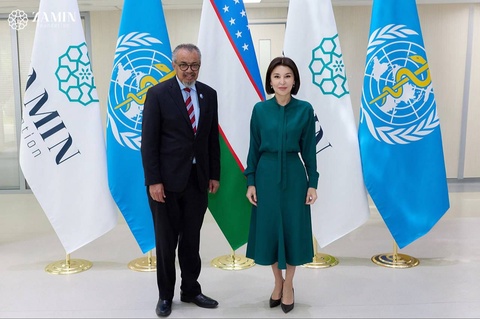
WHO Director-General Tedros Adhanom Ghebreyesus noted the importance of developing new vaccines amid the ongoing outbreak of the disease
According to the data provided by him, the number of reported cases of infection exceeded 11,300, and the number of deaths — 5,500. From 400 to 500 new cases are detected every week.
The head of WHO also expressed concern about attacks on medical workers and delays in identifying cases, which complicate the fight against the spread of infection.
Earlier it was reported that Uganda and Rwanda will hold joint exercises against the background of the Ebola outbreak in DR Congo.