
The event
was another practical step in the implementation of a large-scale work on the
study, preservation and popularization of the rich Islamic heritage conducted
by the Center for Islamic Civilization of Uzbekistan.
One of the
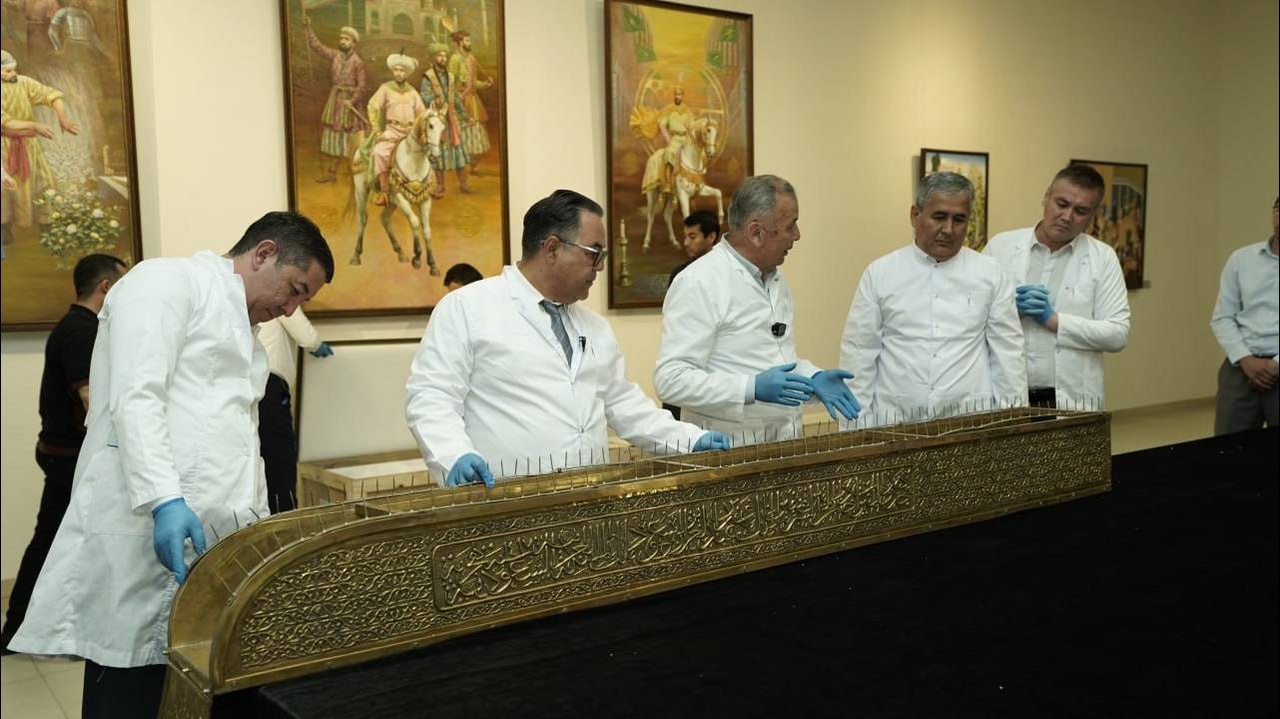
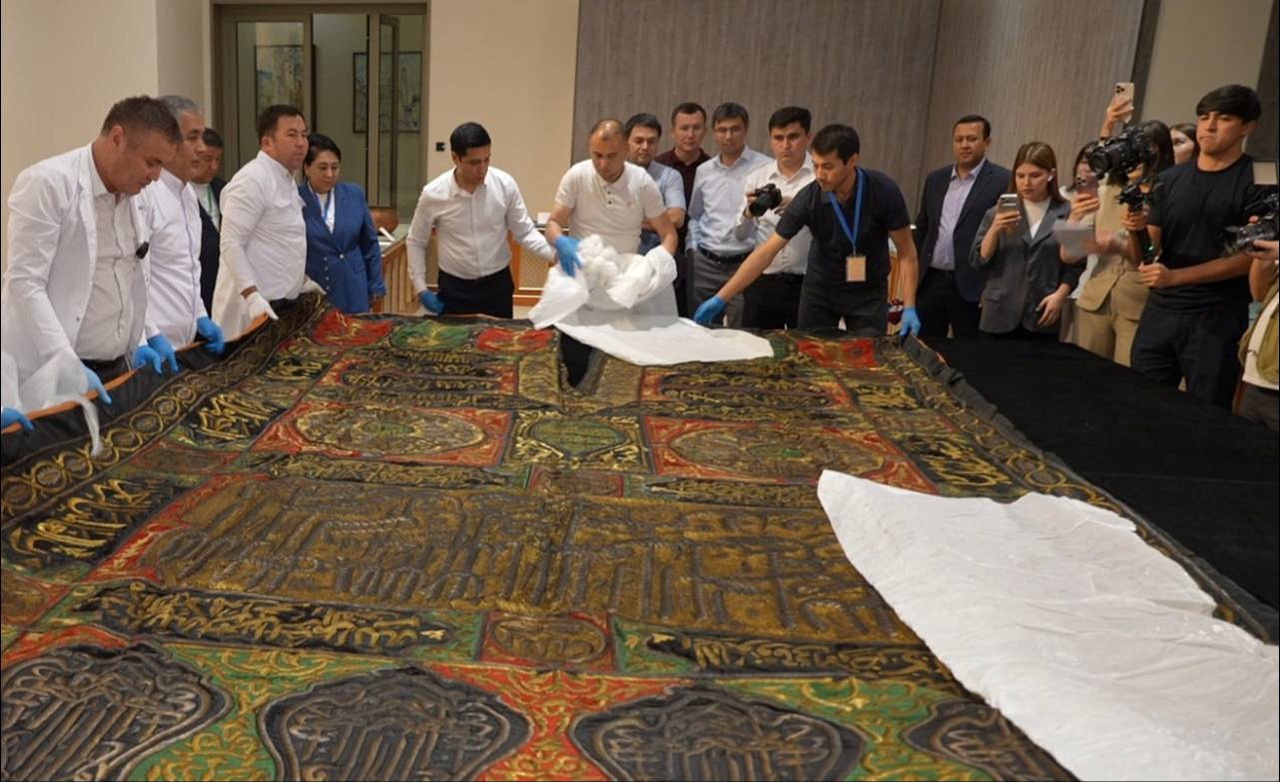
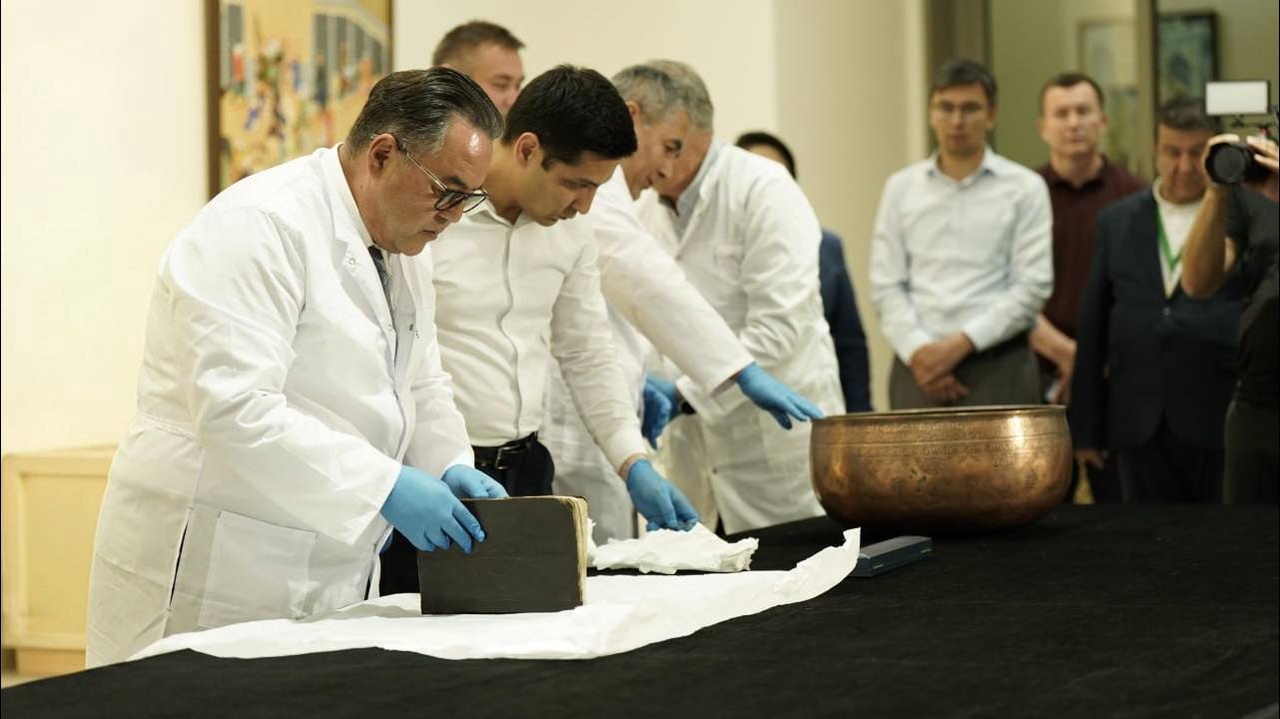
main events of the exhibition was the presentation of unique relics brought to
Uzbekistan from London on behalf of the President of the Republic of Uzbekistan
Shavkat Mirziyoyev. The opening of the exhibition was attended by members of
the public, scientists and journalists.
As the
director of the Center for Islamic Civilization Firdavs Abdukhalikov noted, in
recent years, at the initiative of the head of state, systematic work has been
carried out to return the cultural and spiritual heritage of the Uzbek people
to their homeland.
According
to him, thanks to the ongoing work, about two thousand cultural objects have
already been returned to Uzbekistan. Many rare manuscripts, historical objects
and artifacts presented at the Center's exposition were the result of this
initiative.
It was also
stressed that within the framework of joint activities with the OSCE and the
London police, it was possible to identify and return to Uzbekistan a number of
cultural values of important historical and spiritual significance.
The
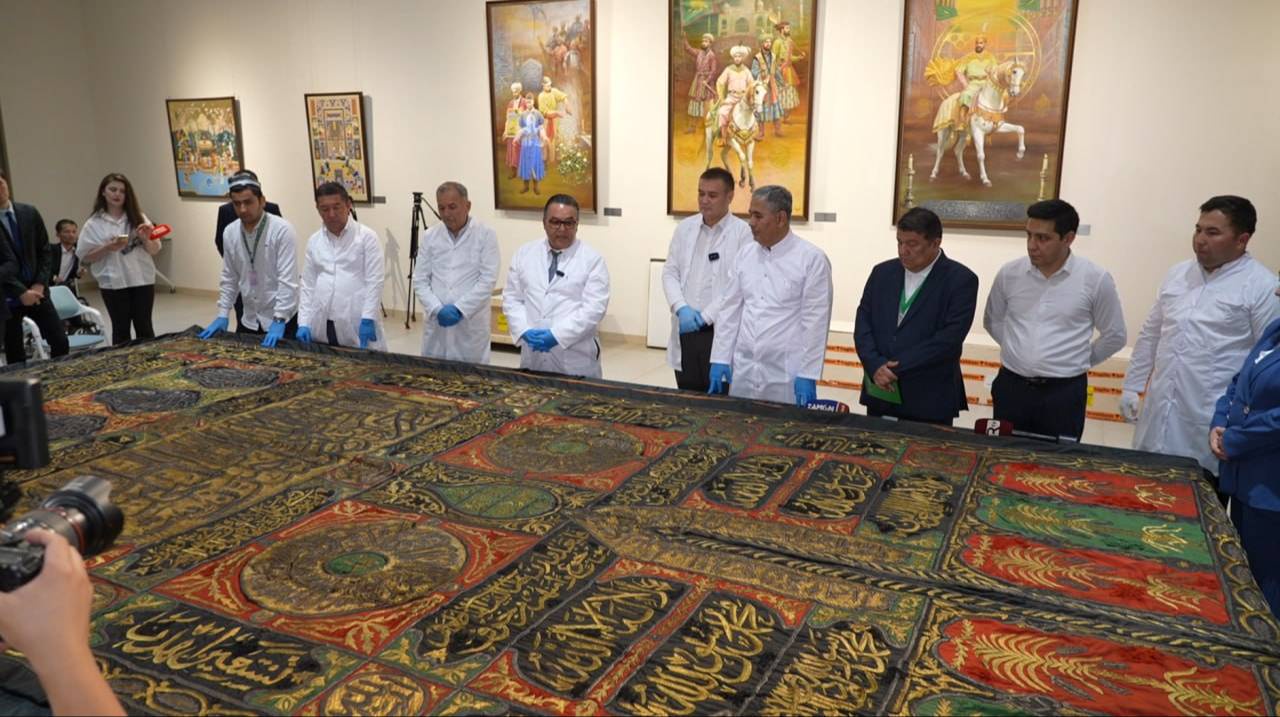
exhibition presents relics related to the sacred sites of the Islamic world.
Among the central exhibits are the "Burka" of the 19th century, the
door cover of the Kaaba decorated with metal embroidery, as well as the
"Khizom", part of the kiswa of the Kaaba of the late 19th and early
20th centuries.
Visitors
were particularly interested in the veil of the Ravza mausoleum in Medina al-Munawwar,
dating back to 1900, as well as the unique artifact "Mizob ar-Rahmon"
- a gilded drain installed on the roof of the Kaaba.
In
addition, the exhibition features art panels with the inscriptions
"Allah" and "Muhammad", as well as a rare handwritten book
of prayers from the 18th century, including the works "Dalail
al-Khairat" and "Al-Hizb al-Azam". The manuscript, copied in
1793-1795, is considered a valuable example of Islamic calligraphic art.
Zohidillo
Munavvarov, Chief Researcher at the Center for Islamic Civilization, noted that
the Center is actively engaged in the search, acquisition and return to
Uzbekistan of artifacts related to the country's history and located in foreign
museums, auction houses and private collections.
According
to him, the returned historical values not only replenish museum funds, but
also contribute to the popularization of the rich spiritual heritage, history
and culture of the Uzbek people at the international level.
In recent
years, the Center for Islamic Civilization of Uzbekistan has been expanding
cooperation with foreign scientific institutions and museums, implementing
major international projects to study and preserve the Islamic heritage.
The
exhibition, organized for the International Museum Day, has become an important
part of this work and is aimed at preserving historical memory, passing on
cultural heritage to future generations and strengthening respect for national
and spiritual values among young people.