
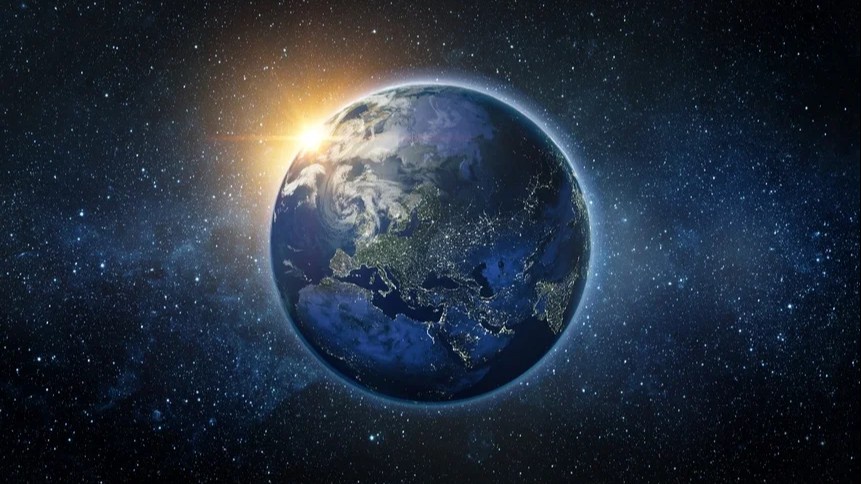
On this
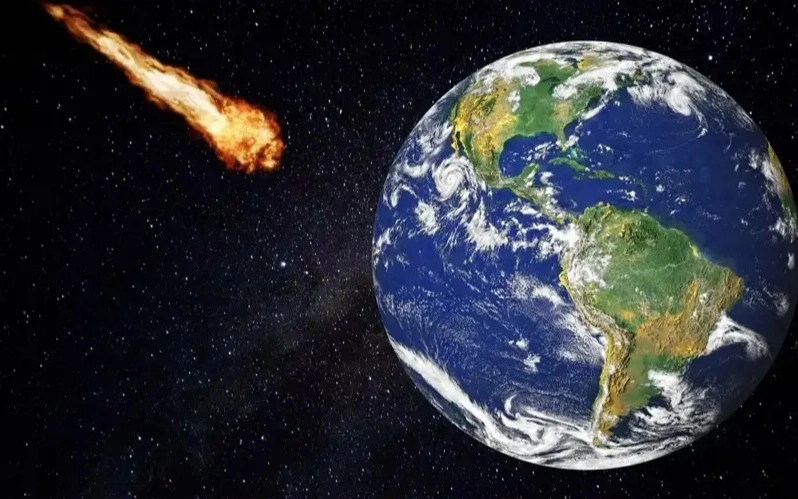
day, the planet will reach aphelion, the farthest point in its trajectory from
the Sun. The distance between the Earth and the Sun will be 152,093,251 km
(1.0167 AU).
Due to the
elliptical shape of the Earth's orbit, the planet's position relative to the
Sun changes every year. In January, the Earth is closest to the Sun, and in
July, it moves farthest away. In 2026, the passage of aphelion takes place on
July 6. As the planetarium noted, on this date, not only will the Earth's
orbital speed be at its slowest, but the visible diameter of the Sun will also
be the smallest of the entire year.
According
to calculations, the planet's speed on July 6 will be 29.27–29.29 km/s, while
at perihelion — the closest orbit to the Sun — it increases to 30.27–30.29
km/s. Astronomers explain this difference using Kepler's second law: the closer
a celestial body is to the center of gravity, the higher its speed, and vice
versa — as the distance increases, the speed decreases, reported by mir24.tv.