
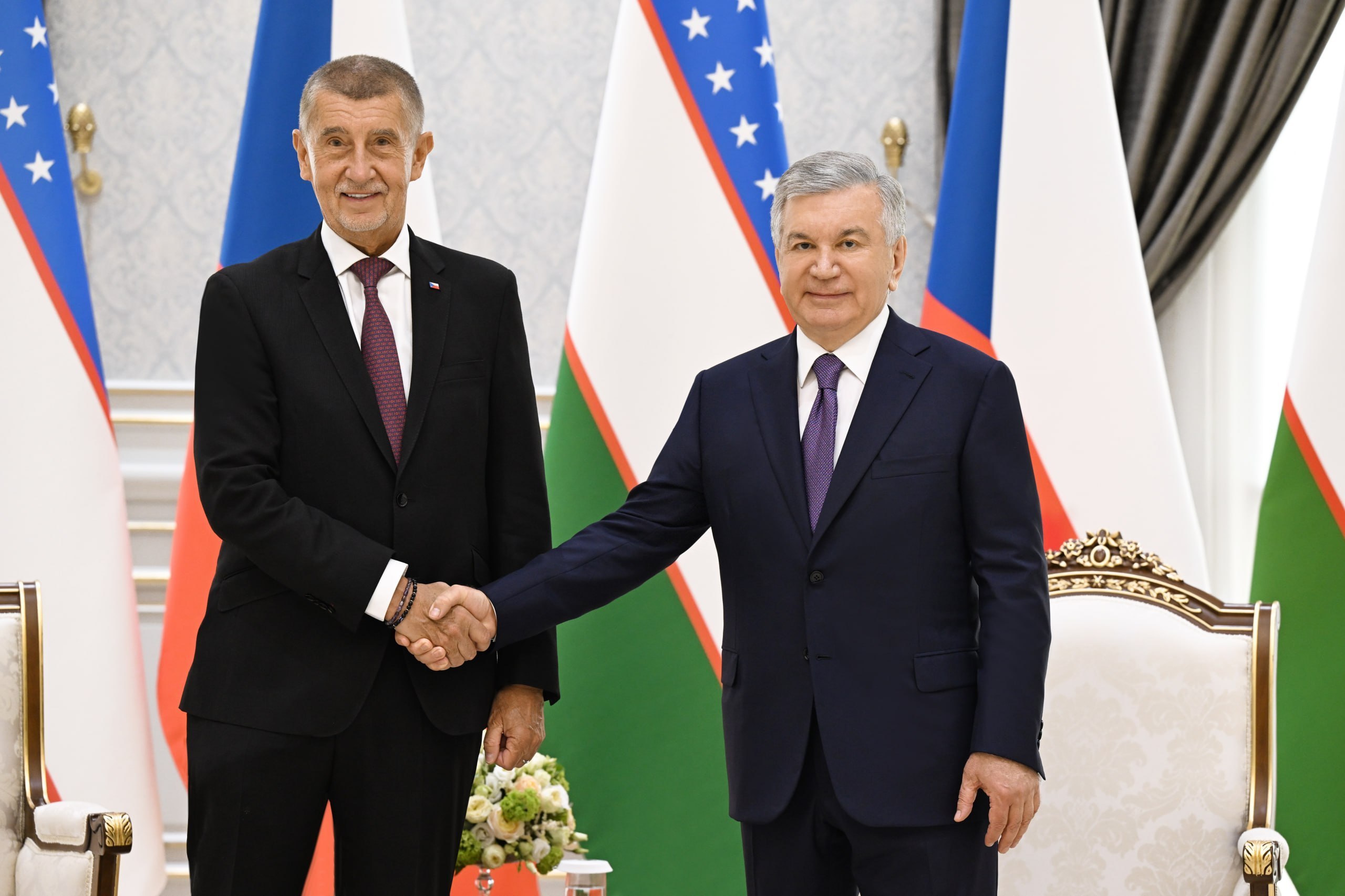
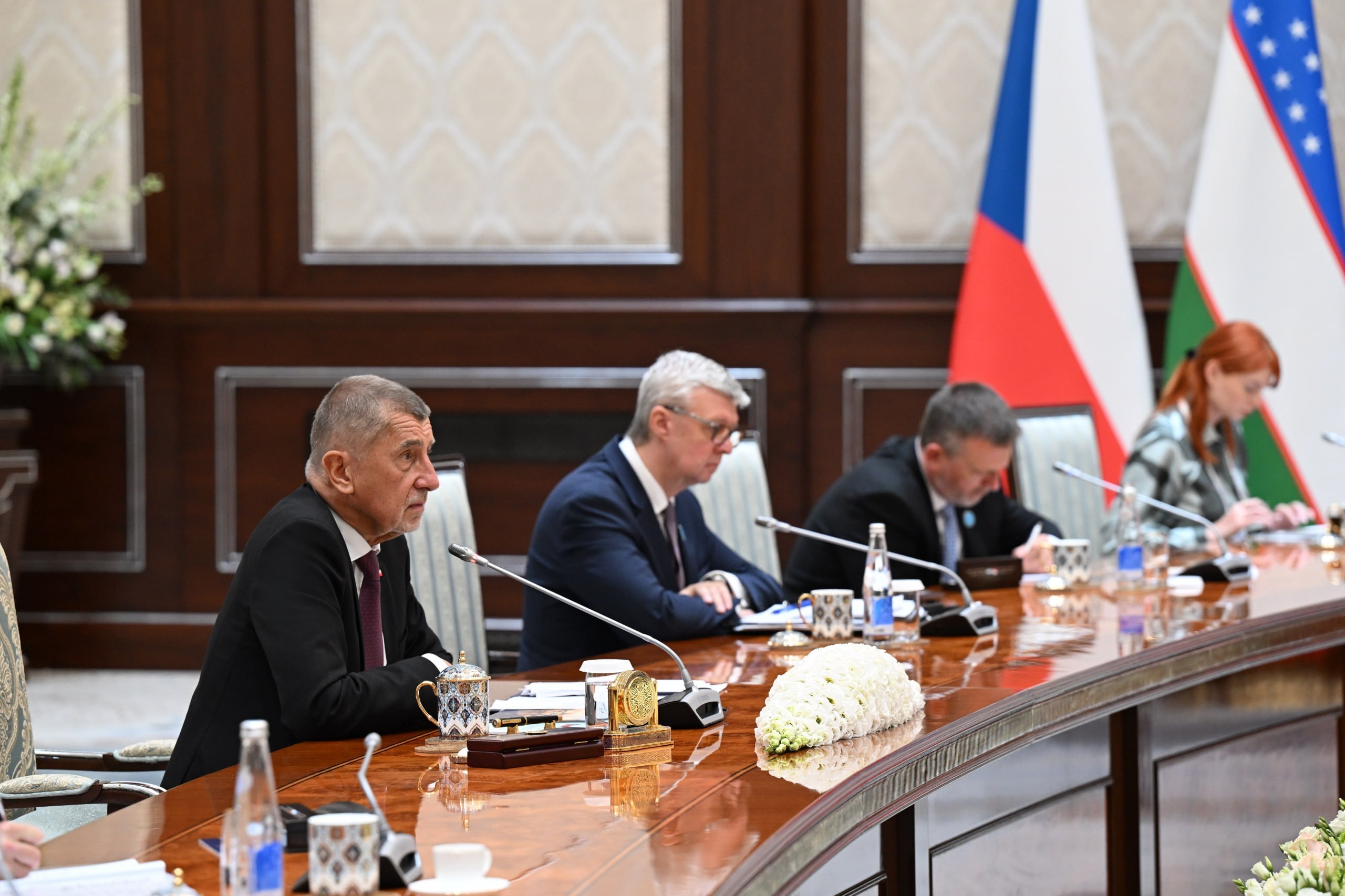
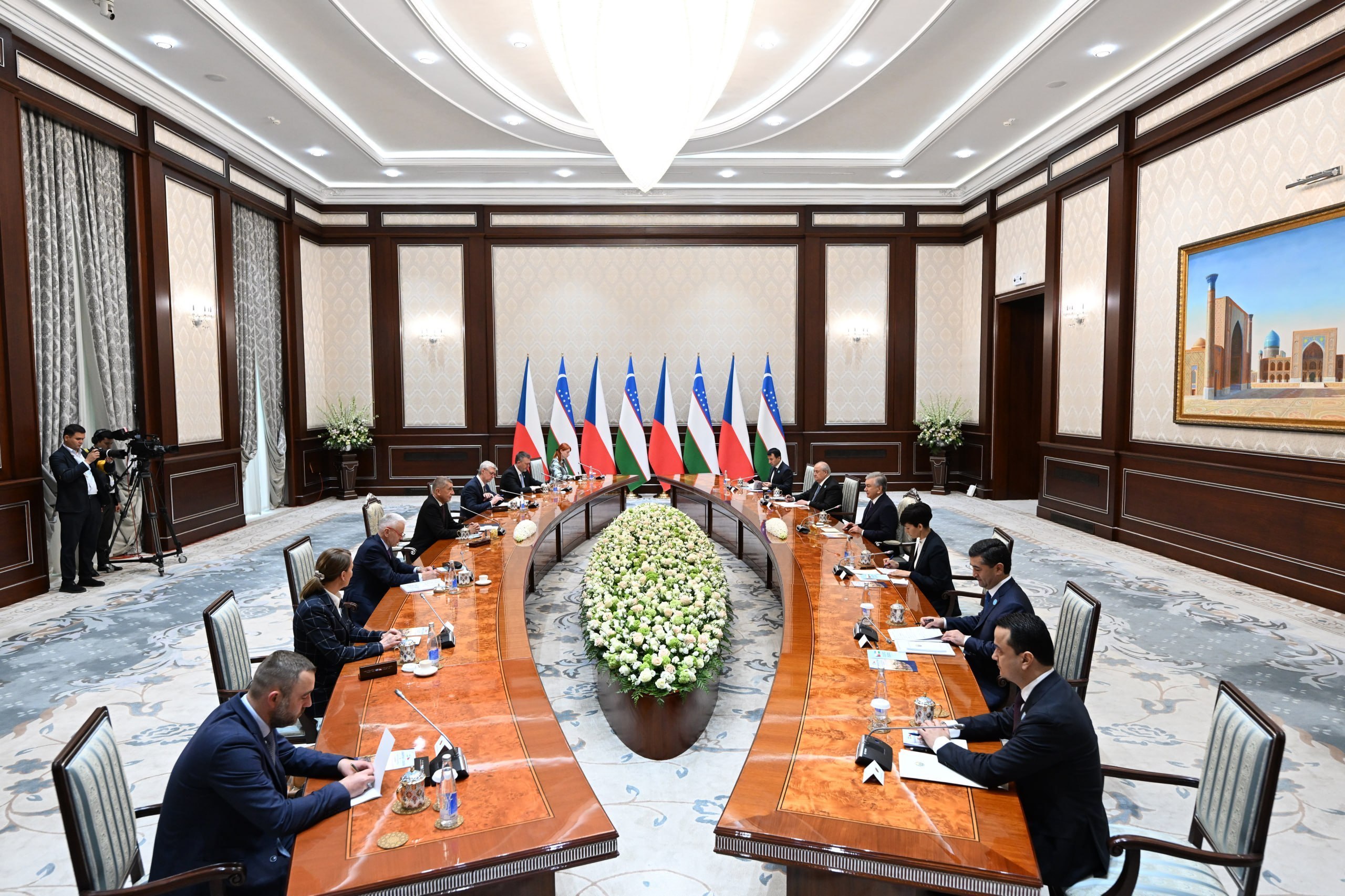
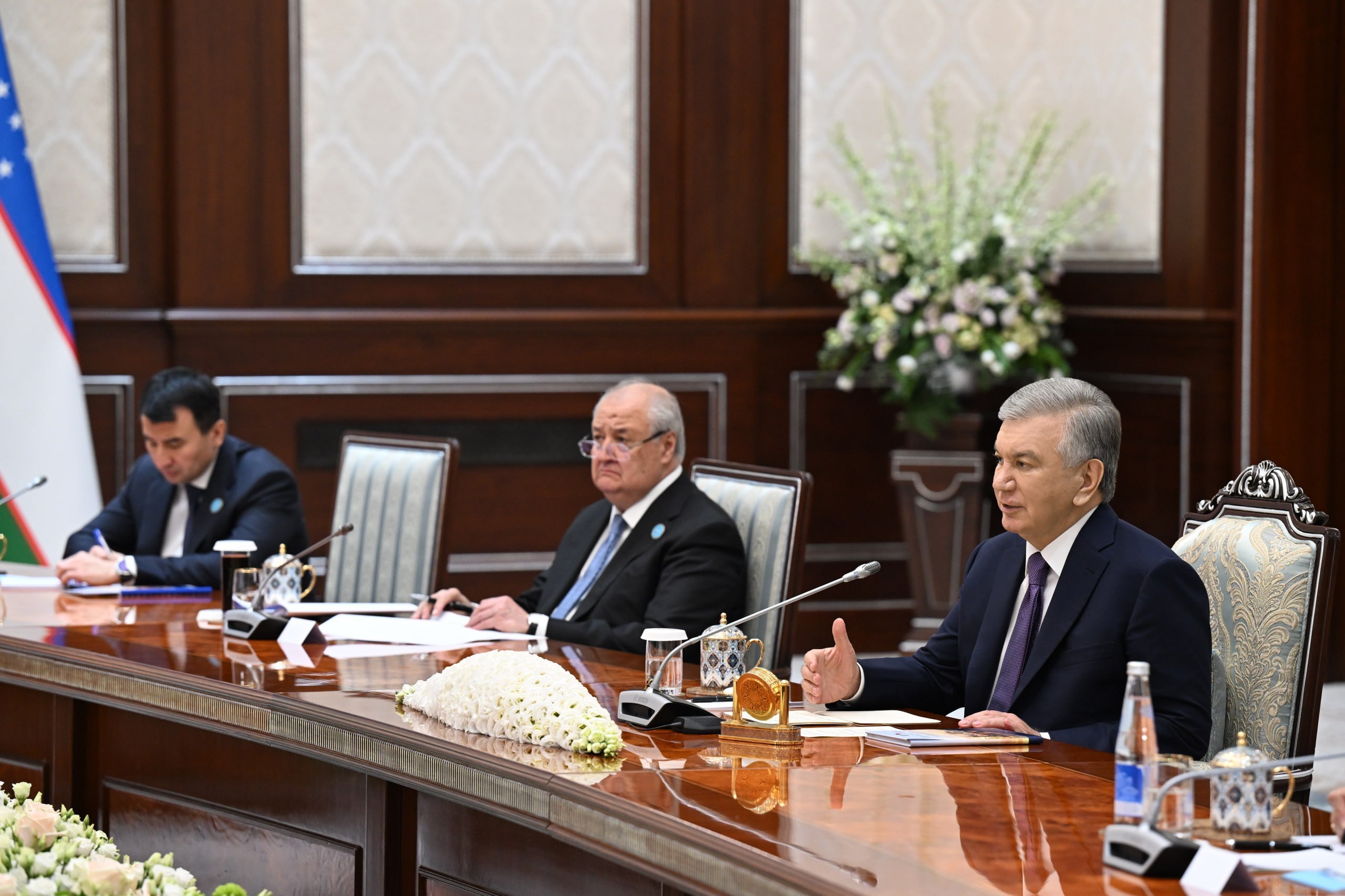
The sides discussed the current state and prospects for further development of practical cooperation between Uzbekistan and the Czech Republic.
At the beginning of the meeting, the President emphasized that the current visit would be a breakthrough and would open a qualitatively new stage in the history of multifaceted relations between Uzbekistan and the Czech Republic.
The dynamic development of cooperation across all areas was noted with satisfaction. Close contacts have been established at the government, ministry, and agency levels, while business and humanitarian exchanges have intensified.
Friendship groups have been established in the parliaments, and the Intergovernmental Commission is functioning effectively.
Bilateral trade turnover has nearly doubled in recent years.
There are currently 37 joint ventures with Czech capital operating successfully in Uzbekistan, and cooperation is expanding across a broad range of new areas.
Particular attention was paid to increasing mutual trade. A target was set to raise trade turnover to $1 billion, including through expanding the range of traded goods.
To stimulate trade, the first Uzbek certification branch is being established in the Czech Republic. In cooperation with Czech partners, a modern laboratory for certifying Euro-6 standard vehicles and quantum measurement standards is also under construction.
An agreement was reached to prepare a Technological Cooperation Program with leading Czech companies, including the implementation of projects in mechanical engineering, green energy, geology and critical raw materials, chemistry, pharmaceuticals, and other sectors.
Prospects for cooperation in infrastructure development, smart city development, engineering, and digitalization were also noted.
In this context, the project initiatives presented at the Uzbek-Czech Business Forum the previous day were supported.
The sides welcomed the Export Credit Insurance Agency’s and the Export Bank of the Czech Republic’s intentions to support project implementation in Uzbekistan.
To advance the economic agenda, it was proposed to establish a Business Council and to hold the Intergovernmental Commission’s next meeting in Tashkent this August.
In the cultural and humanitarian spheres, both sides confirmed their interest in expanding educational and academic exchanges, including dual-degree programs.
The importance of regularly holding cultural and film days, exhibitions, and concerts, as well as increasing tourist flows, was emphasized.
To this end, the resumption of direct flights between the two countries’ capitals will be explored.
The prospects for cooperation in organized labor migration were also discussed separately.
The sides also exchanged views on issues on the international agenda.
In conclusion, an agreement was reached to prepare a joint roadmap for the timely implementation of the adopted decisions.