
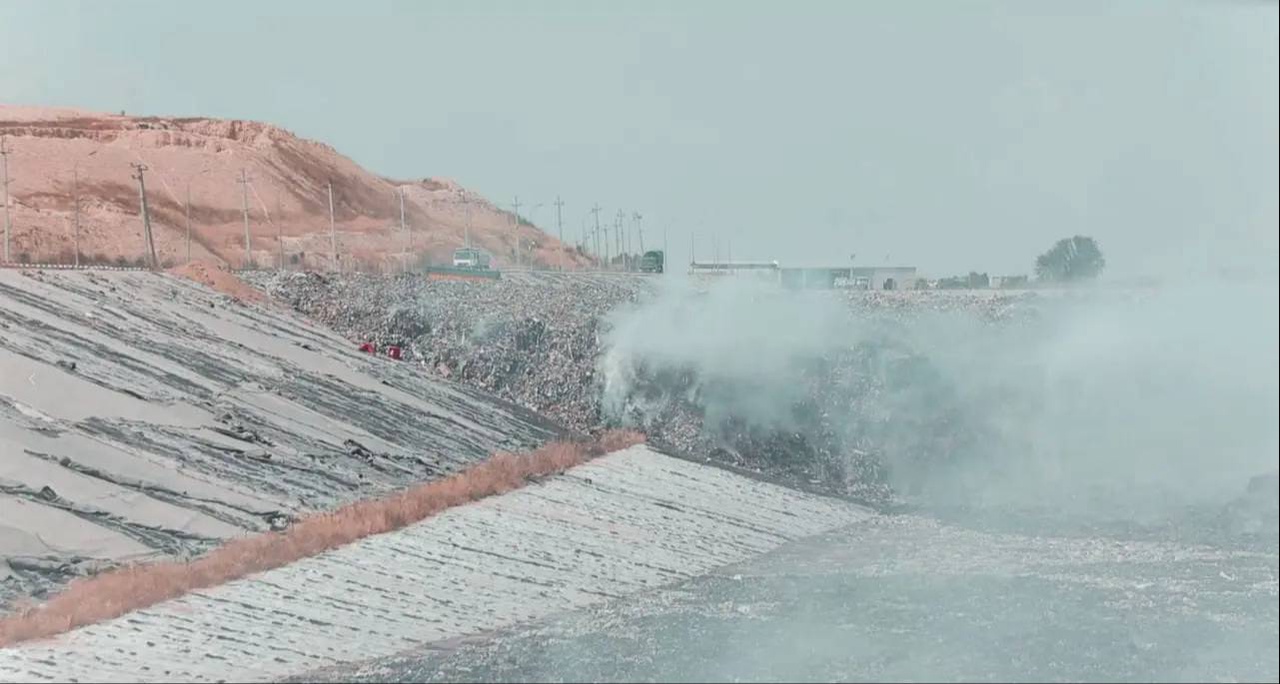
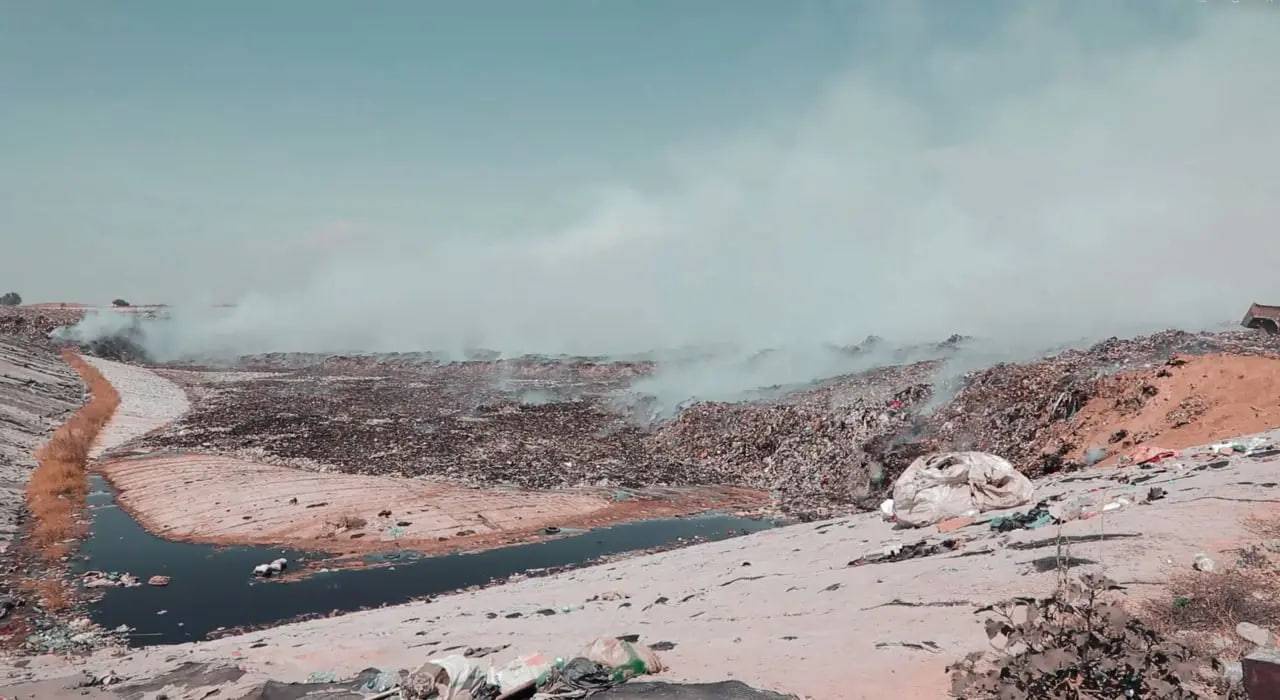
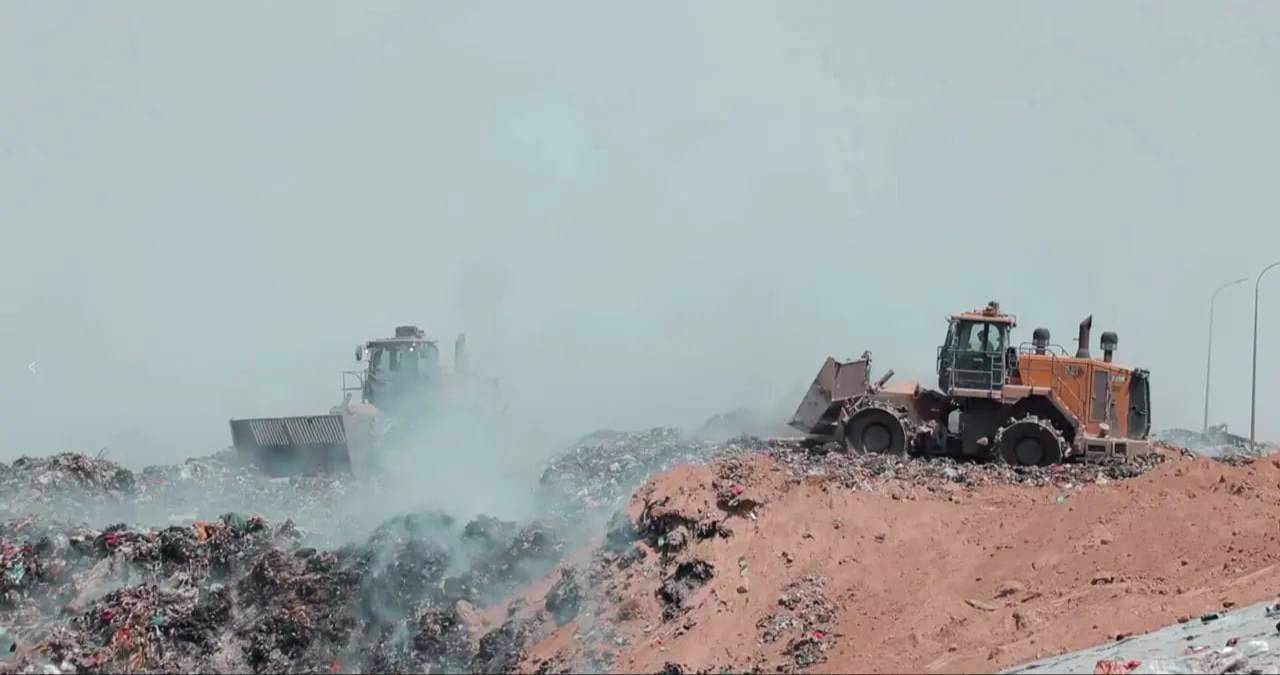
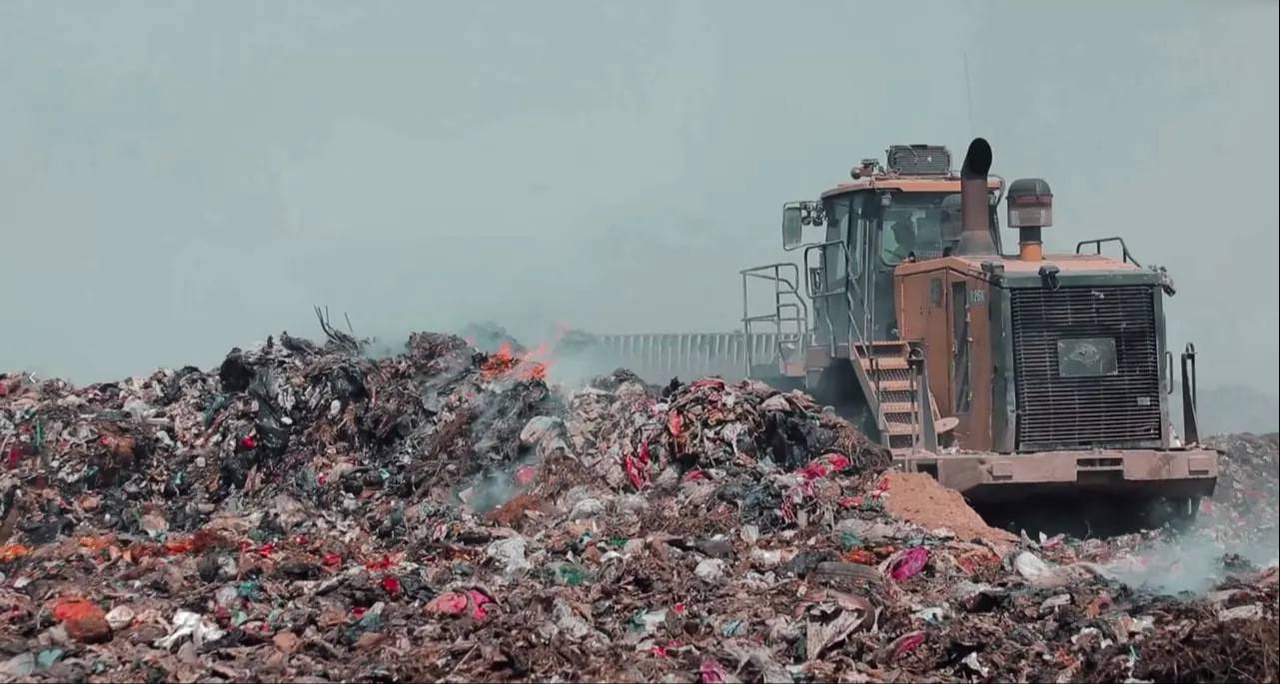
The
ministry stressed that deliberate arson of the landfill is not beneficial to
anyone. Firefighting requires significant costs - hundreds of tons of water,
special equipment, fuel, large amounts of soil and the involvement of a large
number of workers. All this entails serious financial losses for both landfill
operators and the state.
In
addition, open tenders for waste sorting have been announced for 98 of the 137
landfills in the country. Recycling and sorting of garbage is much more
profitable for entrepreneurs than eliminating the consequences of fires.
The main
causes of fires
According
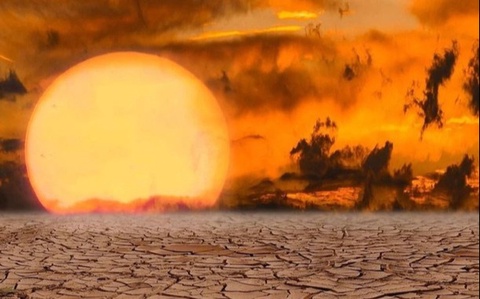
to the Agency, fires at landfills occur mainly due to natural physical and
chemical processes that intensify during periods of extreme heat.
First of
all, about 44% of household waste is made up of organic materials. When they
decompose, methane, a flammable gas, is released. Even a small spark or local
overheating can cause a fire.
Another
reason is aerosol cans, lighters, and other pressurized containers. When
exposed to high temperatures, they can explode and ignite the surrounding
waste.
In
addition, glass bottles and their fragments can act as a lens in direct
sunlight, concentrating sunlight and igniting plastic, polyethylene and other
combustible materials.
The danger
is also represented by hot ash, which residents and catering establishments
often dispose of along with household waste. Even if it looks cold on the
outside, the heat inside it can persist for up to two days. After delivery to
the landfill, such smoldering residues can cause ignition of the inner layers
of waste.
Landfills
are gradually being returned to state management
The Agency
recalled that landfills of solid household waste are strategic objects of
environmental safety and should be under state control.
According
to the Presidential decree of January 4, 2024, all landfills of the country are
gradually transferred to the jurisdiction of the state institution
"Directorate for Waste Landfill Management" under the Ministry of
Ecology. However, the transfer of individual objects has not yet been
completed.
At
landfills where the transition has not yet been completed, violations of the
requirements for layer-by-layer placement, compaction and daily shelter of
waste with soil were previously allowed. As a result, air cavities form inside
the garbage masses, and the combination of oxygen and methane at high
temperatures increases the risk of spontaneous combustion.
Landfill
fires are a global problem
The Agency
noted that such cases are not unique to Uzbekistan. About 23 landfill fires are
recorded annually in Sweden, from 30 to 80 in Poland, and more than 8,000
similar fires occur in the United States. In India, individual landfills can
smolder and burn for weeks, and sometimes for several months.
Since the
beginning of 2026, 19 landfill fires have been registered in Uzbekistan, while
44 such incidents were recorded in the whole of 2025.
Special
pumps, fire hoses and water tankers are constantly located at landfills for
rapid response. After extinguishing the fire, the foci must be filled with soil
and compacted to prevent re-ignition.
The agency
urged citizens, especially owners of cafes, restaurants and other public
catering facilities, not to dispose of hot ashes and other potentially
hazardous waste along with household garbage, as this significantly increases
the risk of fires.