


Global demand for critical minerals and metals is growing rapidly. While demand for traditional metals increases by an average of 1 percent annually, demand for critical minerals is growing by 10 percent. Against this backdrop, Uzbekistan is taking extensive measures to ensure the efficient use of its mineral resources, increase the production of high-value-added products, and expand its export potential.
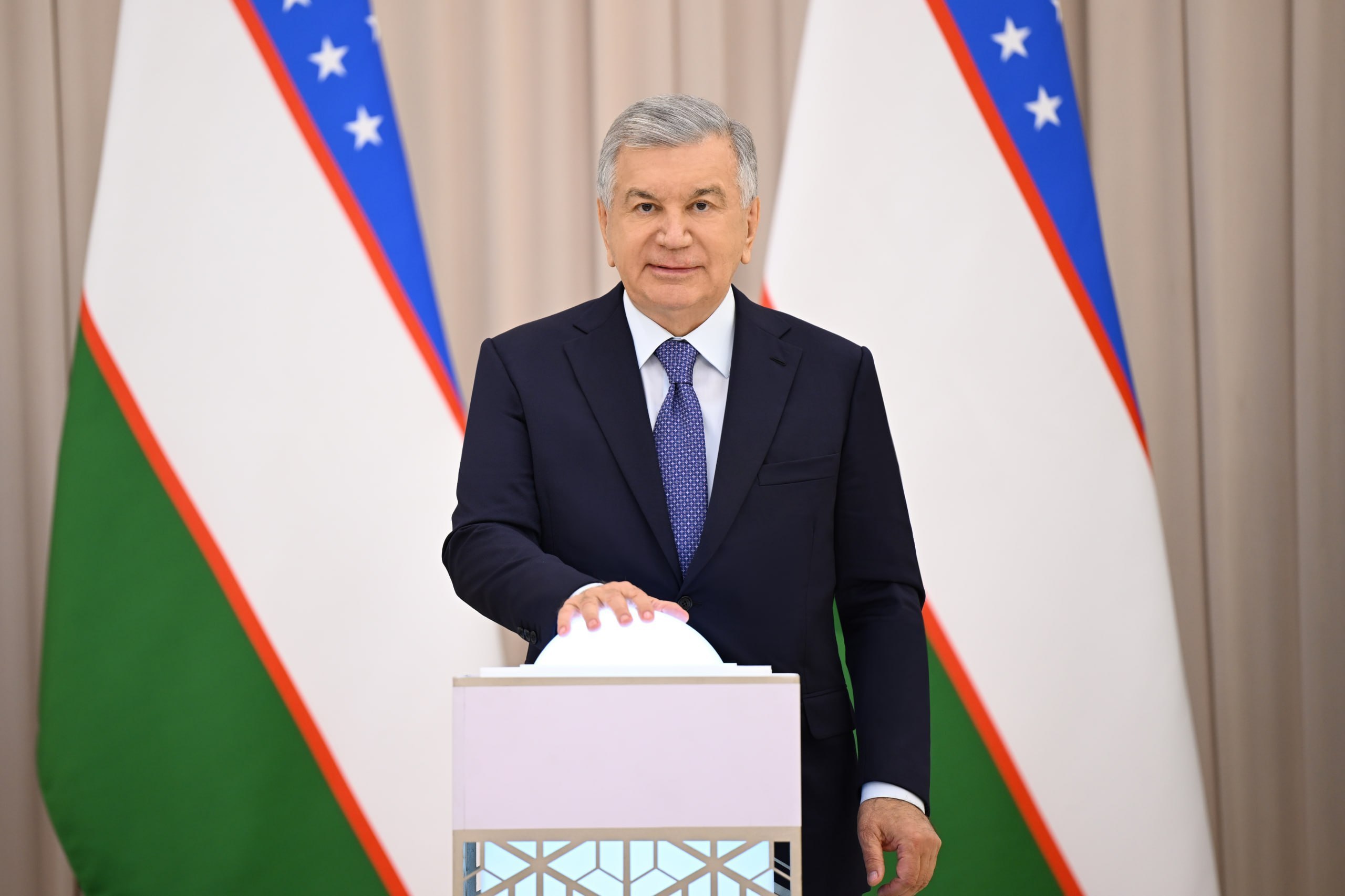
The presentation began with a discussion of the operations and development plans of Uzbekistan Technological Metals Complex JSC.
The company is working to establish a fully integrated production chain, from geological exploration and mineral extraction to ore beneficiation, deep processing, and manufacturing finished products.
By the end of this year, the company plans to launch 12 investment projects, expand its range of locally produced goods, and increase the production of high-purity selenium and tellurium.
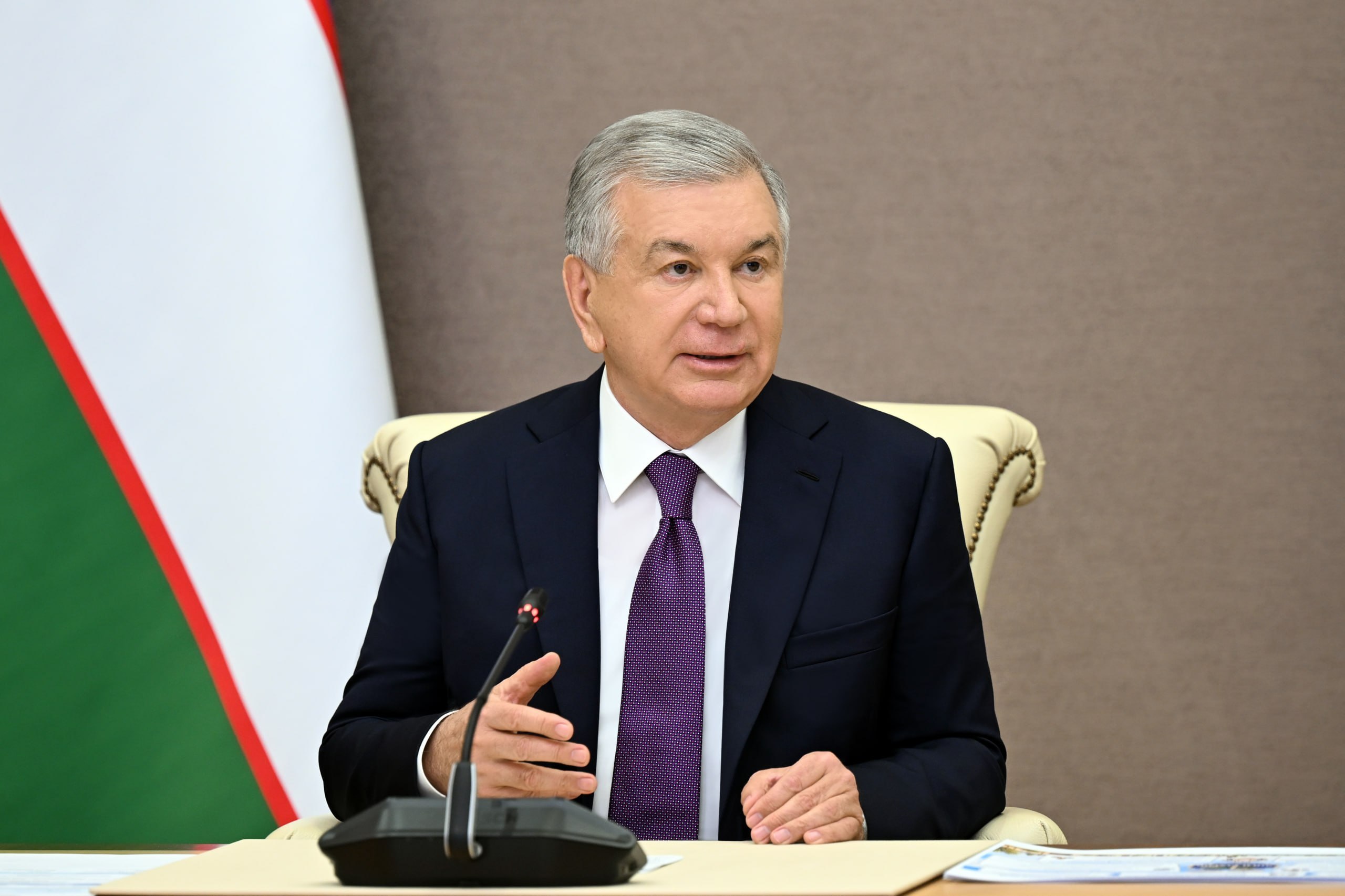
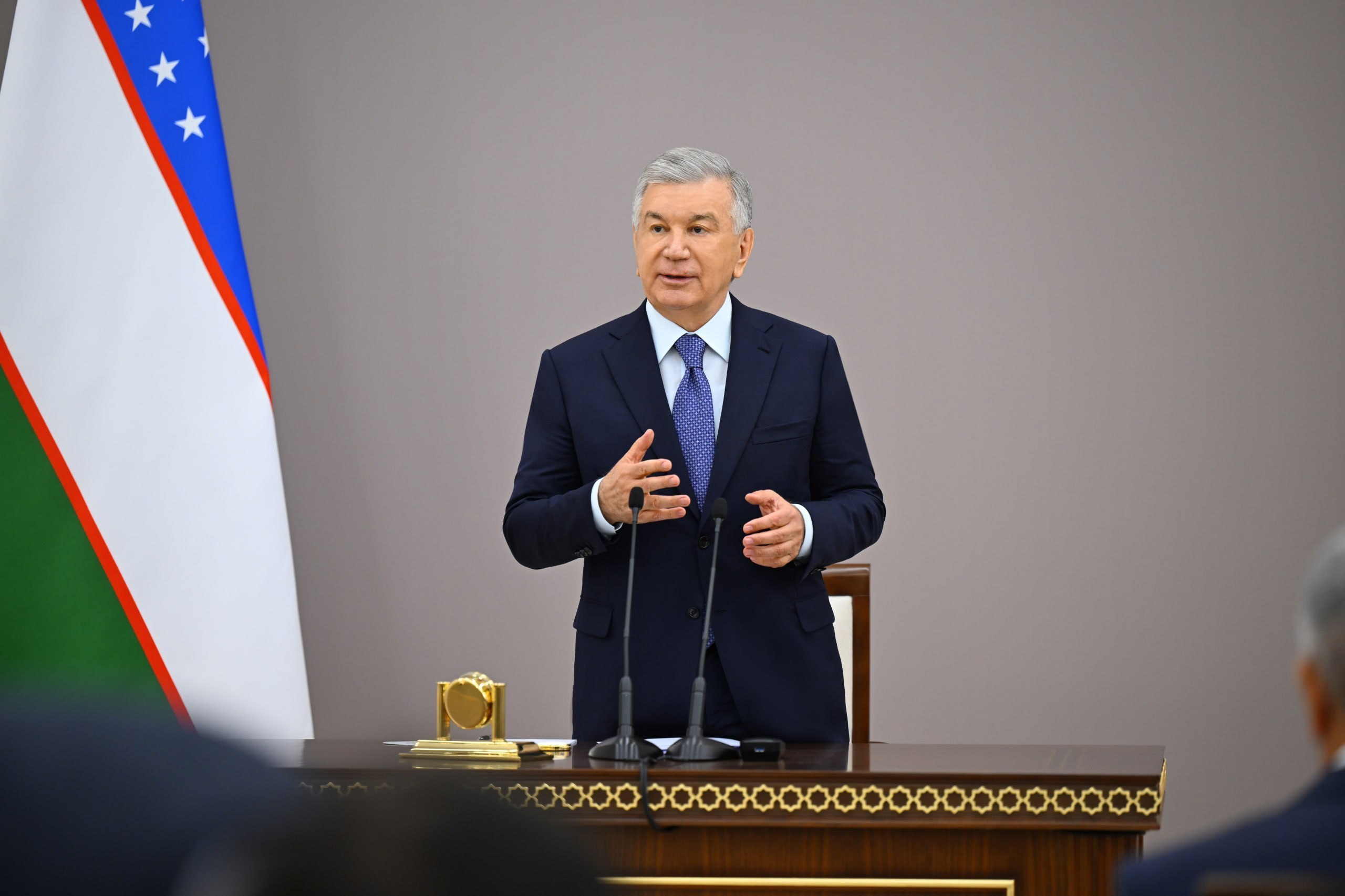
The President instructed officials to accelerate the implementation of promising critical-mineral projects and establish production of 11 additional metals and minerals, alongside the five already being developed: tungsten, molybdenum, selenium, tellurium, and rhenium. The additional products include nickel, cobalt, graphite, antimony, tin, manganese, platinum, vanadium, mercury, and copper. He also emphasized the importance of applying scientific advances in the industry and identifying additional mineral reserves.
Under the plans, the production value of 16 key metals is set to exceed $2.7 billion by 2030.
The presentation also focused on major projects for the deep processing of tungsten. These projects are expected to attract $1.1 billion in investment and increase production value to nearly $2.2 billion by 2030.
Proposals to develop promising deposits containing rare and rare-earth elements, expand the company's mineral resource base, and accelerate the implementation of investment projects were also reviewed.
The presentation also covered the current operations and production development plans of the Navoiyuran enterprise.
Global demand for uranium has increased by 15-20 percent in recent years and is expected to grow by another 28 percent by 2030.
Under these circumstances, increasing domestic uranium production, developing new deposits, improving production efficiency, and ensuring a reliable supply of essential resources to the uranium industry have become increasingly important.
This year, plans include expanding geological exploration and technological drilling, developing production infrastructure, commissioning additional sorption facilities, and creating 250 new jobs.
The supply of necessary chemical reagents plays an important role in increasing the enterprise’s production volumes. In this regard, officials reported on measures to strengthen cooperation among domestic industrial enterprises and increase supplies of technical sulfur, sulfate, and nitrate.
The President emphasized the need to expand the use of alternative technologies in production processes. In particular, the share of reagents used as alternatives to sulfuric acid is expected to reach 40 percent by 2030.
Overall, through these measures and the commissioning of new production facilities, uranium production is expected to increase from 7,500 tons this year to 15,000 tons by 2030, while explored reserves are expected to reach 200,000 tons.
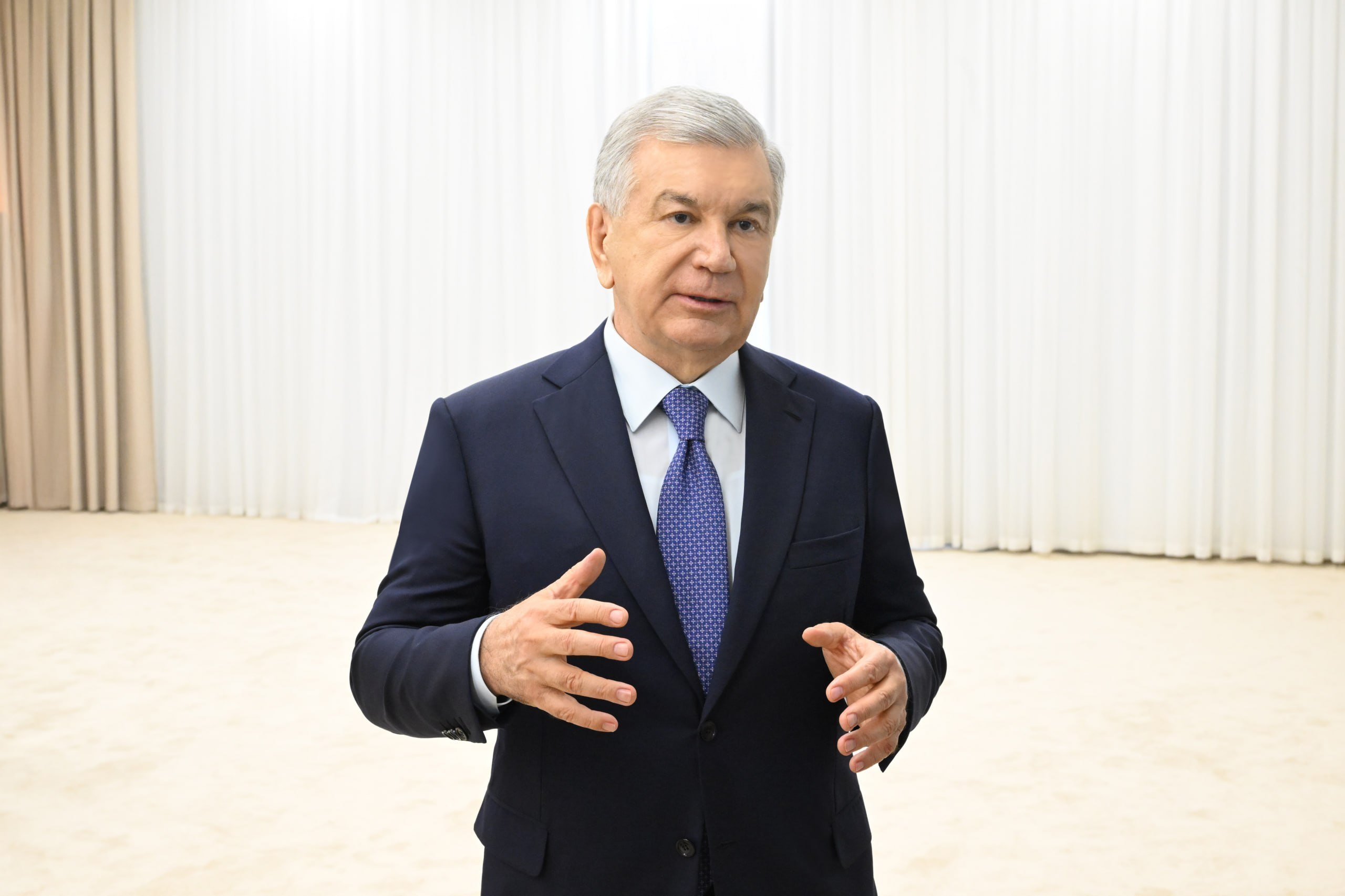
Following the presentation, the President instructed officials to ensure the timely implementation of investment projects, strengthen the mineral resource base of enterprises, commission new production facilities, increase the production of high-value-added products, and boost exports.