

According to the Xinhua News Agency, the satellites were carried aboard a CZ-12 (Long March-12) launch vehicle lifted off from the commercial spacecraft launch site on Hainan Island.
The satellites were successfully delivered into their designated orbits, and the launch mission was officially declared a success.
The CZ-12 is a two-stage, liquid-fueled launch vehicle capable of generating a takeoff thrust of approximately 5,000 kilonewtons. Standing 62 meters tall, the rocket features a payload fairing diameter of 4.2 or 5.2 meters and possesses the capacity to deliver a payload of at least 6 tons to a 700-kilometer sun-synchronous orbit (SSO).
China continues to actively advance its national space program, which encompasses the development of meteorological, telecommunications, and navigation satellites, as well as technologies aimed at exploring the Moon, Mars, and asteroids.
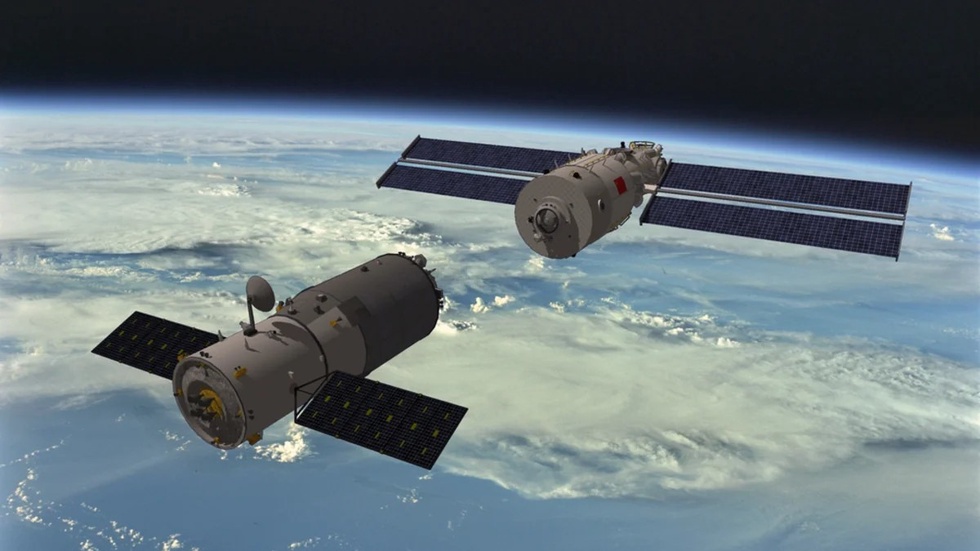
Additionally, China currently operates its permanent space station (Tiangong) in Earth orbit, serving a range of scientific objectives including international cooperative missions.
In 2025, China completed 92 space launch missions, establishing a new national record, report.az informed.